



The Cultural Heritage Agency
The Role of the Cultural Heritage Agency of Iceland
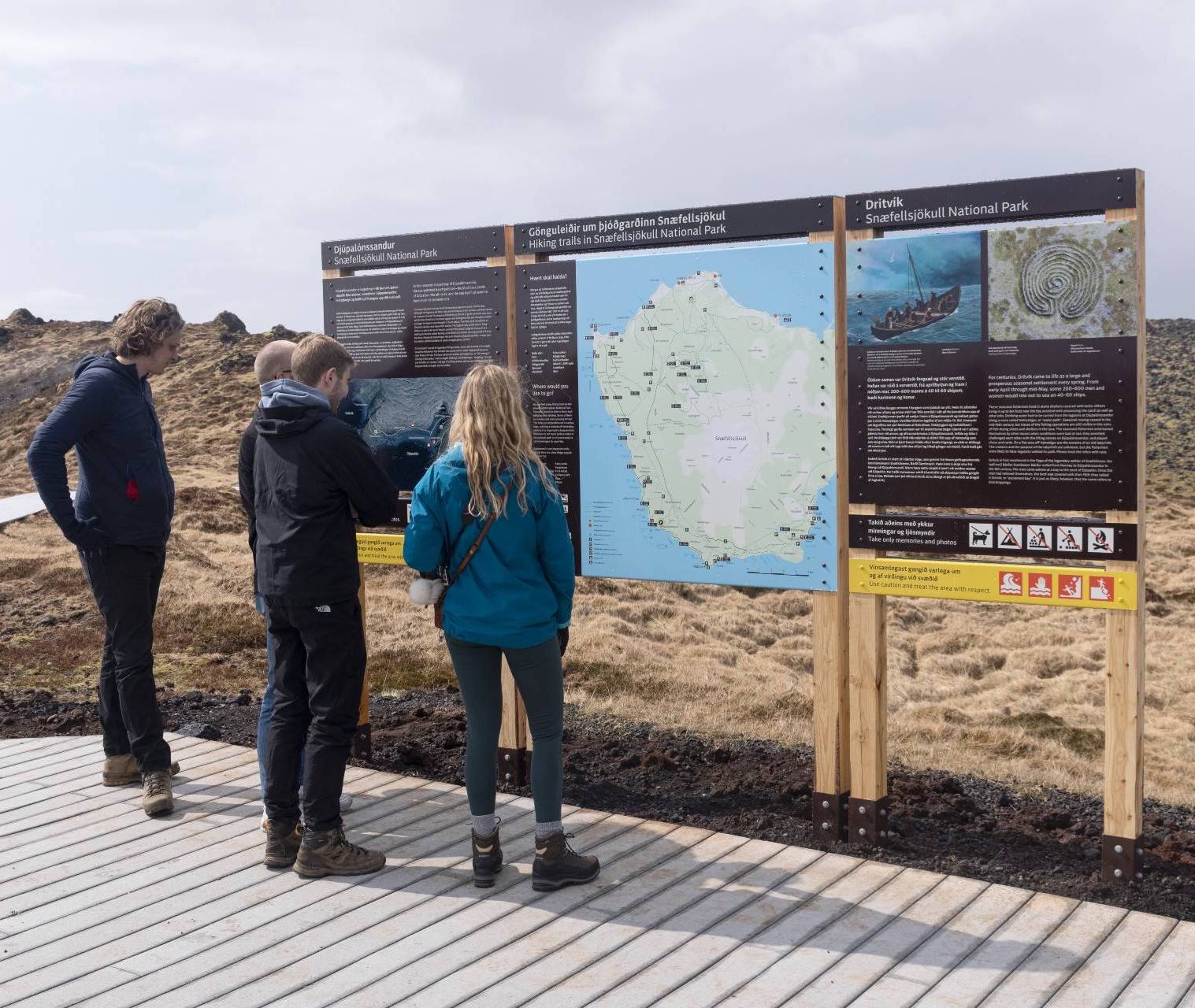
The Cultural Heritage Agency of Iceland is the national authority for cultural heritage. It operates under the Ministry of the Environment, Energy and Climate. The agency carries out heritage protection in line with the 2013 Cultural Heritage Act. It aims to safeguard the nation’s cultural and historical heritage. It works to preserve heritage in its original environment and to make it accessible to the public.
Protection of Archaeological and Architectural Heritage
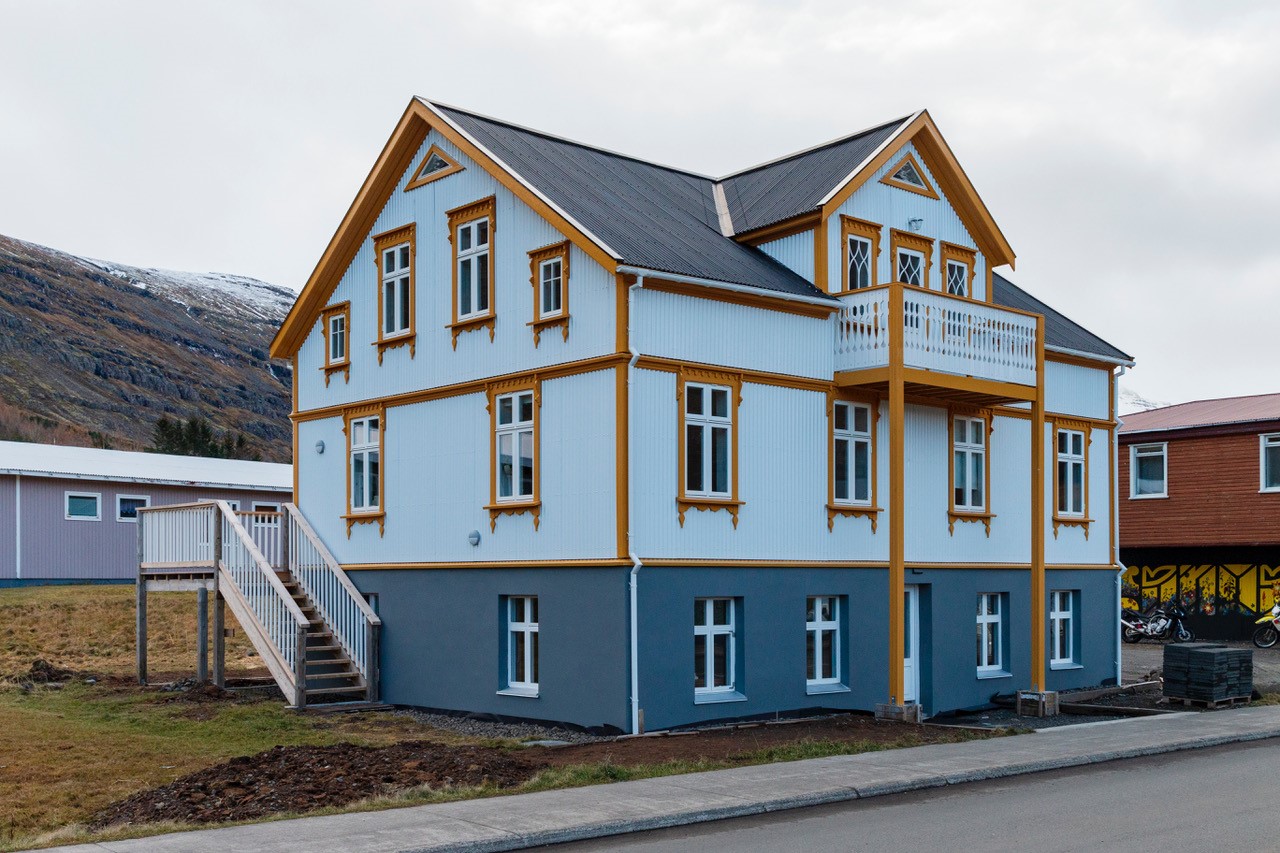
The agency oversees archaeological remains and architectural heritage across Iceland. It monitors the condition of protected sites, buildings and structures. It also sets rules for their registration and conservation. Through cooperation with expert committees, the agency works to ensure long‑term protection for archaeological sites, historic buildings and cultural landscapes.
Cultural Heritage and Cultural Landscapes
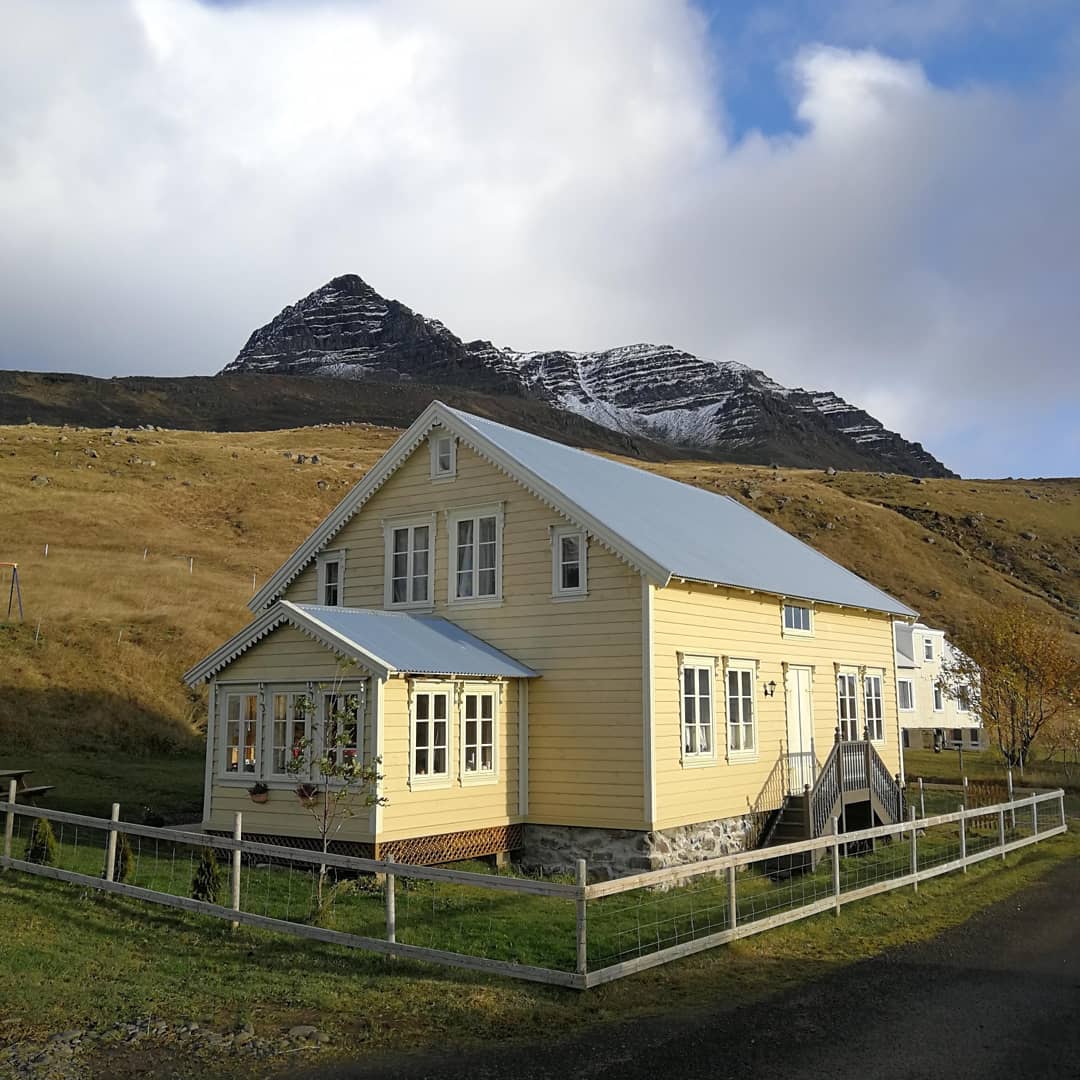
Cultural heritage includes many traces of Iceland’s history. These range from archaeological remains and cultural landscapes to church objects, memorials, buildings and other structures. Ships, boats, artworks and everyday objects also fall under cultural heritage. The agency identifies, records and protects this diverse heritage so it reflects the country’s history and identity.
Heritage Areas, Wardens and Heritage Councils
Iceland is divided into eight heritage areas. Each area has a heritage warden who oversees cultural heritage in the region. Every area also has a heritage council that supports decisions and policy work. This structure ensures local knowledge and close cooperation with municipalities. It also improves public access to guidance on heritage protection.
Funds for the Protection of Cultural Heritage
The Archaeological Heritage Fund and the Architectural Heritage Fund operate under the agency. They play a key role in heritage protection. The agency allocates grants after expert review and monitors funded projects. It also decides on other financial allocations in consultation with heritage committees. This helps ensure that funding supports effective heritage protection.
Research, Registration and Protection
The agency sets rules for registering protected and listed archaeological sites, buildings and structures. It maintains complete records of these heritage items, including protected gravestones and memorials. It submits proposals to the minister on protection or de‑listing when needed. The agency can also impose temporary protection if heritage is at risk. This ensures timely safeguarding of important sites.
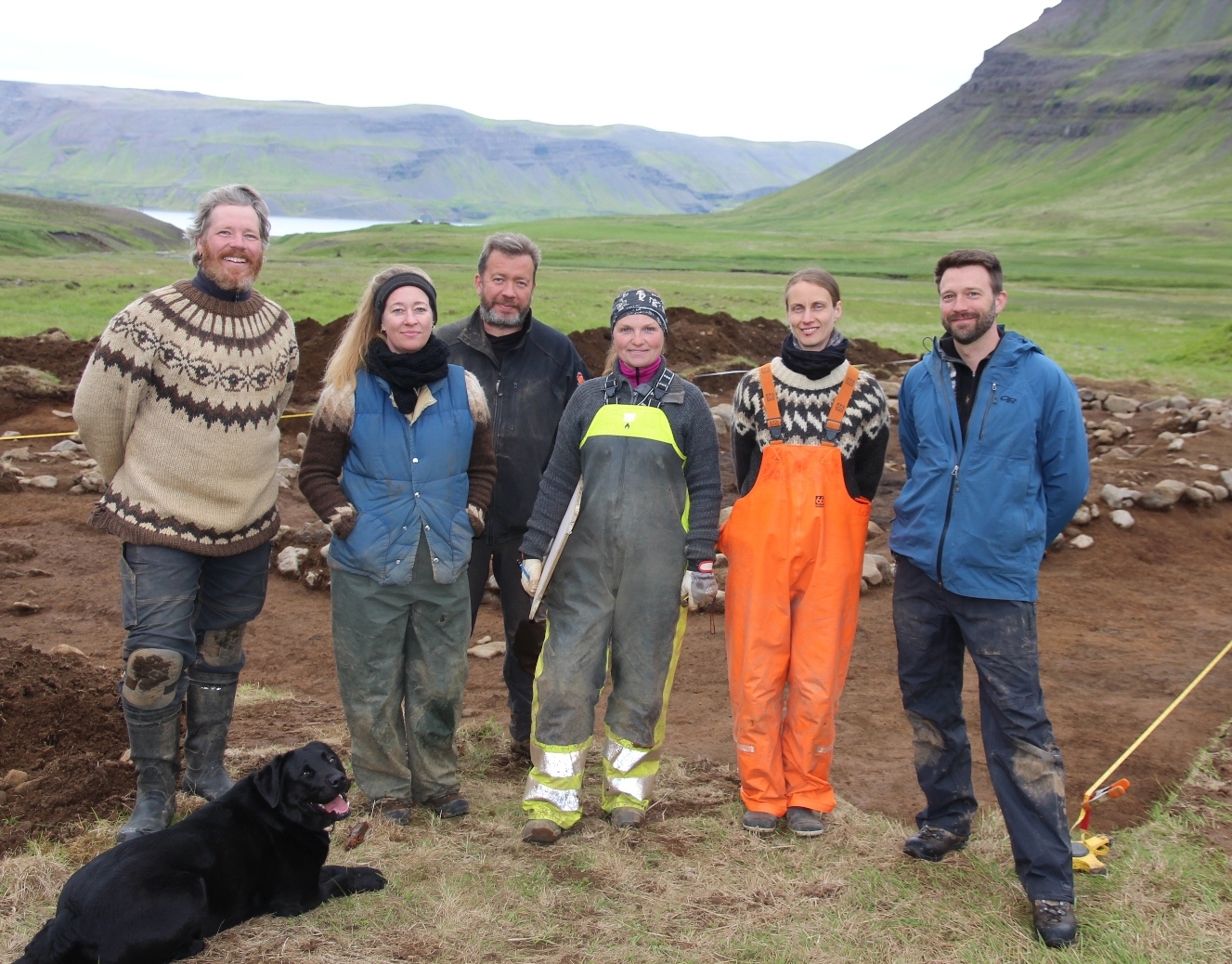
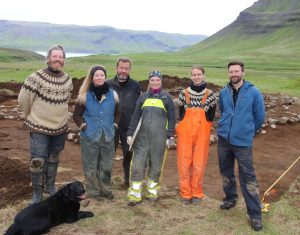
Under the Cultural Heritage Act, the agency sets conditions for archaeological research that involves ground disturbance. It oversees all such investigations in Iceland. It reviews and grants permits for site‑specific and time‑limited research. The agency also carries out field assessments, emergency excavations and urgent investigations when required. This ensures professional and responsible archaeological work.
The agency’s records form an important basis for policy, research and education. Digital databases and mapping tools help make heritage information accessible to the public, professionals and authorities. This supports informed decisions on planning, land use and heritage protection.
International Relations and the Movement of Cultural Property
The agency oversees the movement of cultural heritage to other countries. It manages permits for the export of cultural property. It also implements laws on the return of cultural items to other nations. The agency ensures that Iceland meets its international obligations in heritage protection. This supports responsible handling of cultural property in a global context.
Collaboration, Guidance and Education
The agency establishes heritage councils in each heritage area and oversees their work. This strengthens cooperation with municipalities, institutions and the public. It provides guidance on the protection, maintenance and use of cultural heritage. The agency also takes part in educational and outreach projects. Through collaboration and knowledge‑sharing, it helps ensure that cultural heritage remains a living part of society and accessible to future generations.
 Suðurgata 39, 101 Reykjavík
  postur@minjastofnun.is
 (+354) 570 1300
 Opening hours: