



Oddi in Rangárvellir
Historic site, church centre and chieftain’s seat
Oddi in Rangárvellir is one of Iceland’s most significant historical sites. It has been a church site since the early Christian period. It was also the ancient seat of the Oddi chieftains and scholars. The farm stands on a green point between Ytri-Rangá, Eystri-Rangá and Þverá. For centuries it was a major estate with wide meadows and many tenant farms. During the Commonwealth period, Oddi became a leading centre of power. Its cultural and scholarly work shaped Icelandic history.
Sæmundur the Learned and the Oddi clan
Sæmundur fróði Sigfússon (1056–1133) is the best-known member of the Oddi clan. He studied at the Black School in Paris. He is considered one of the first Icelandic historians to write about the kings of Norway. Many folktales about him survive and show the respect he earned.
Sæmundur’s grandson, Jón Loftsson, was a powerful and popular chieftain. He fostered the young Snorri Sturluson and educated him at Oddi. Snorri received the learning that later shaped works such as Heimskringla.
The Oddi clan ruled in Oddi for two centuries. Their power declined after the conflicts of the Sturlunga Age. Six priests from Oddi later became bishops, showing the site’s importance in Icelandic church history.
Oddi Church and sacred artefacts
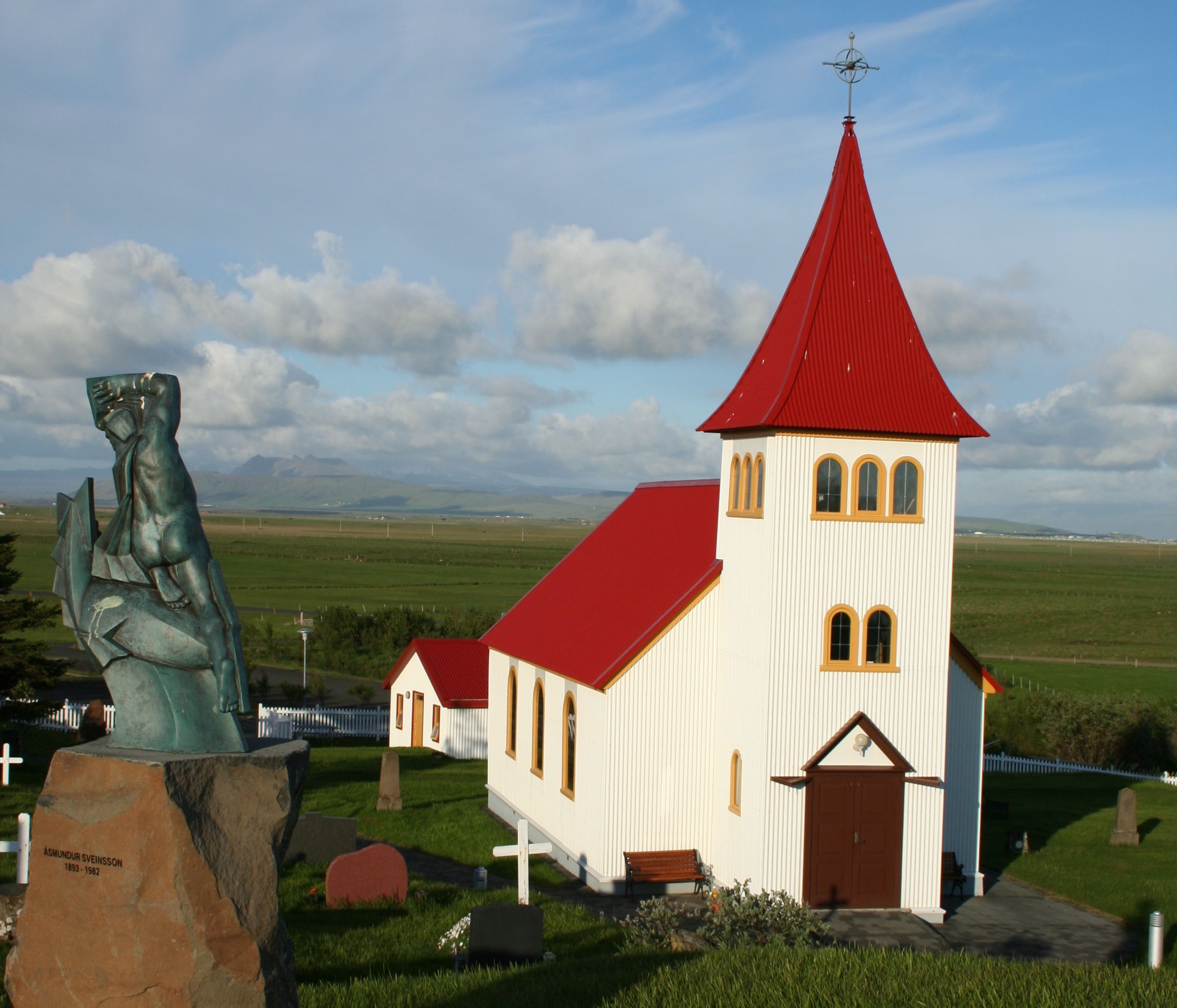
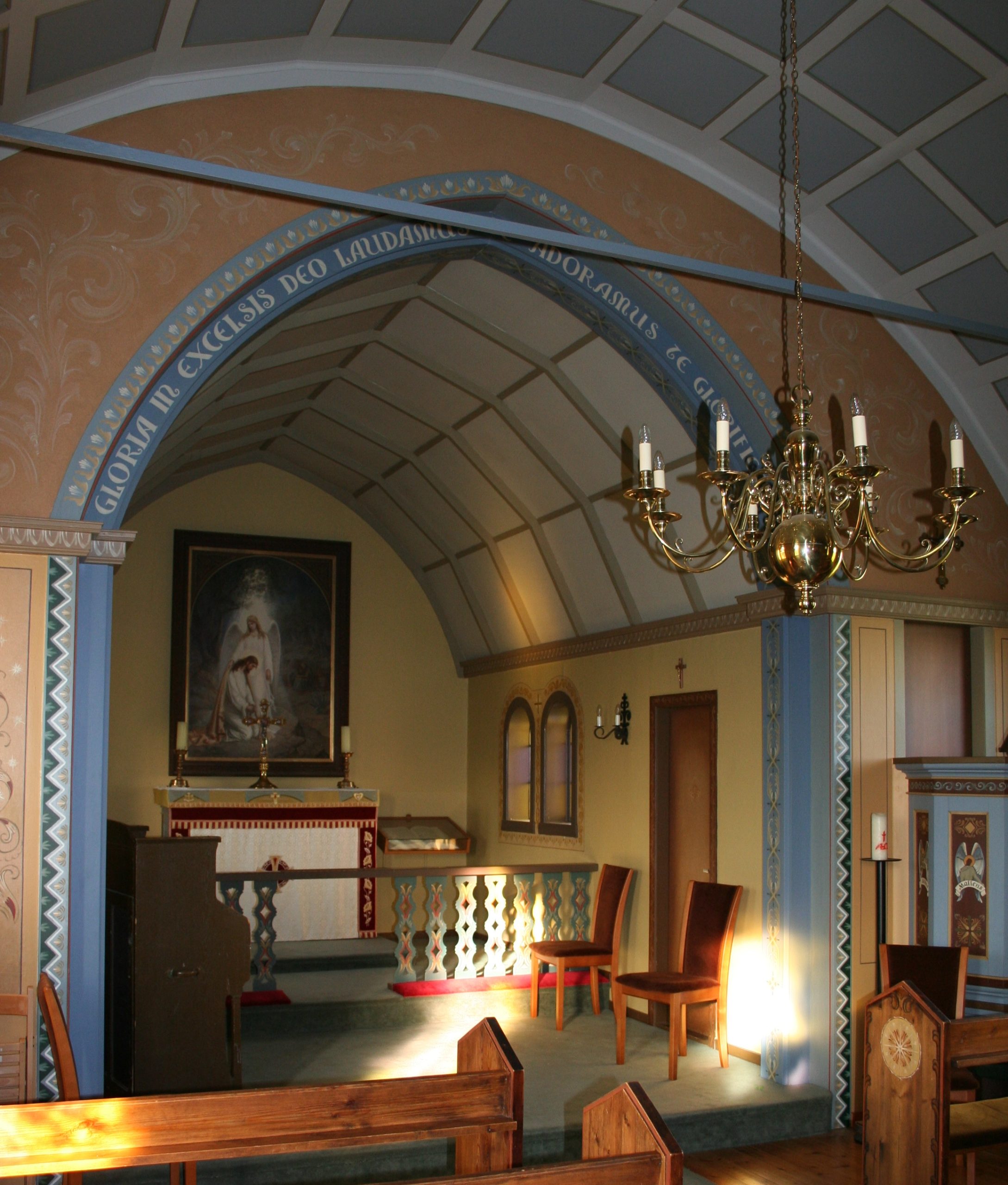
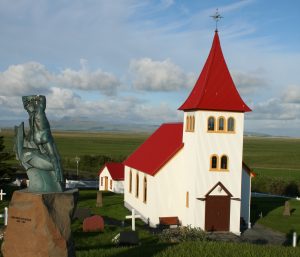
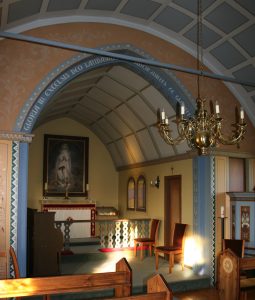
The current Oddi Church is a timber church from 1924. It was designed by Guðjón Samúelsson, the State Architect. It seats about one hundred people. Jón (1903–1980) and Gréta Björnsson (1908–1985) painted the church in 1953, including the pulpit, font, altar and pews.
The church holds many notable artefacts. These include a silver chalice from around 1300 and an altarpiece from 1895 showing Christ in Getsemane. It also has a carved and painted baptismal font by Ámundur Jónsson, a master woodcarver.
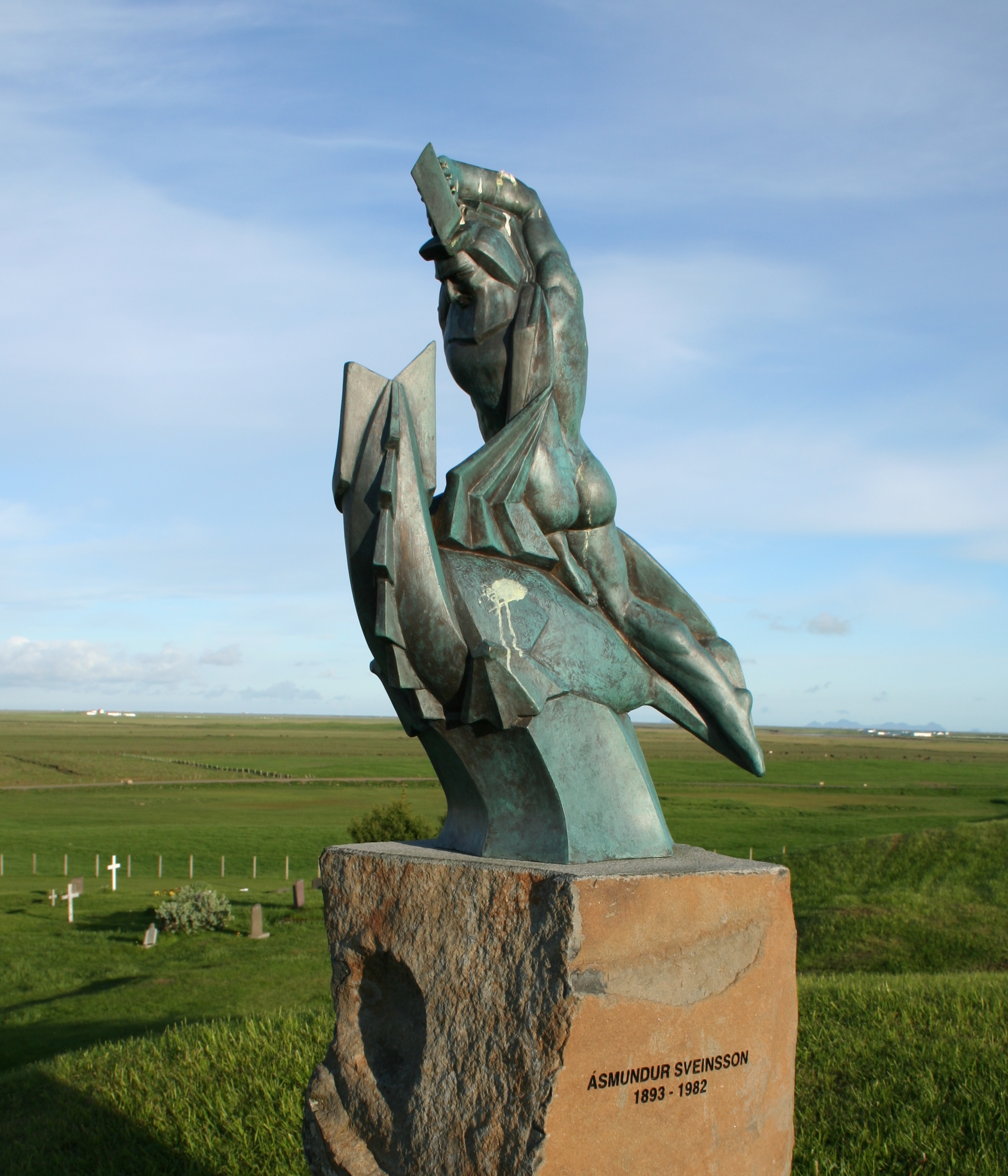
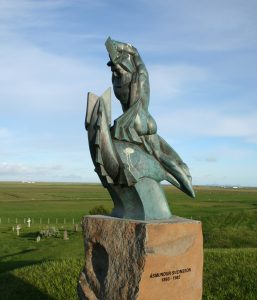
Near the church stands a cast of Ásmundur Sveinsson’s sculpture Sæmundur á selnum. The original stands at the University of Iceland. The work links folktales, storytelling and the cultural heritage of Oddi.
Archaeological research and man-made caves
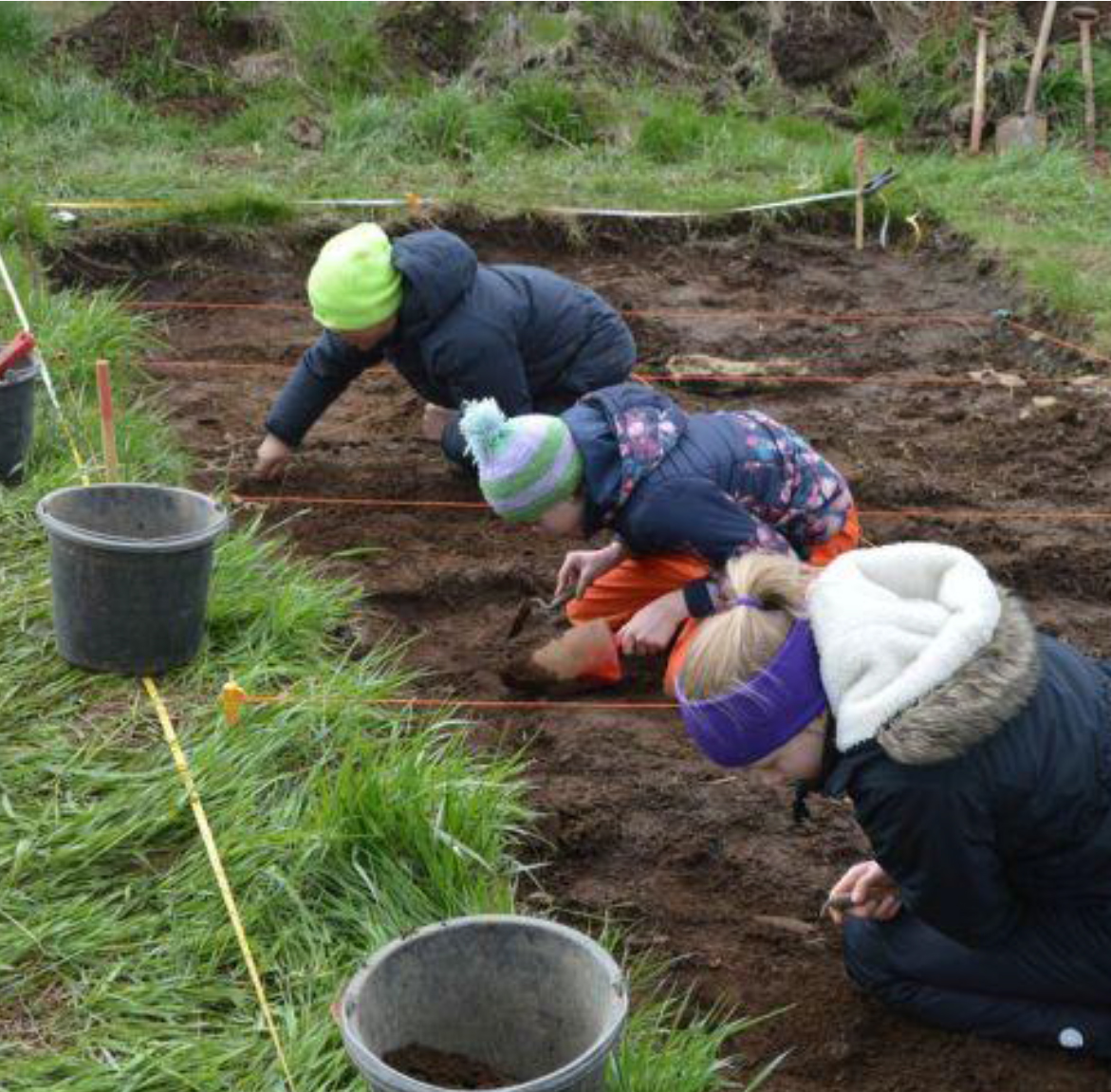
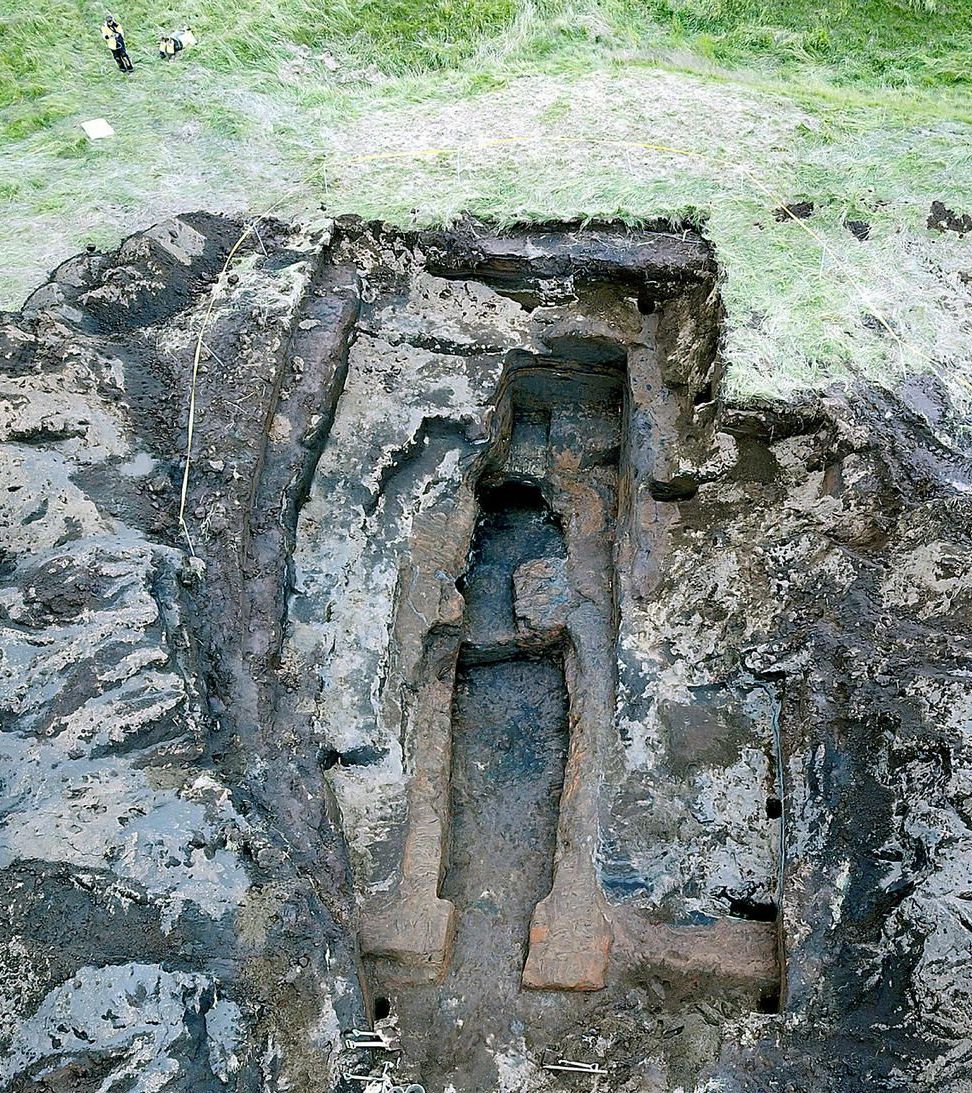
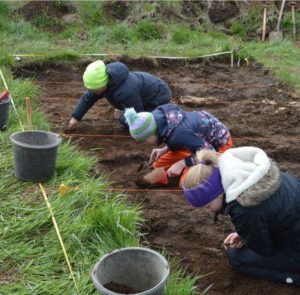
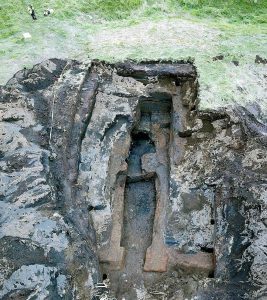
Archaeological work began in 1918. It revealed three man-made caves from the 10th century. Two have collapsed, but one still stands and has been studied in recent years. Excavations uncovered turf-built structures, including an entrance hall used until around 1100. A medieval cowshed was also found. Beneath one wall lay a large animal skull, likely a horse. It is seen as a house offering, a ritual practised in Oddi for centuries.
The Oddi Society and living cultural heritage
The Oddi Society was founded in 1990. Its aim is to support the scholarly centre at Oddi and develop Sæmundarstofa. The centre will include an exhibition hall, event space, library and accommodation for scholars.
Each year the society hosts Oddastefna. At the event, speakers present research and discuss the history of the site. The society keeps the heritage of Oddi alive and helps visitors engage with its story.
Oddi in poetry and cultural memory
The priest and poet Matthías Jochumsson served in Oddi in the 19th century. He wrote a well-known poem that begins: “Eg geng á Gammabrekku / er glóa vallartár…” The poem captures the calm and atmosphere that have defined Oddi for centuries.
Oddi in Rangárvellir today
Oddi is today a unique destination for those interested in medieval history and church heritage. The landscape reflects over a thousand years of storytelling, faith and learning. The site’s history lives on in the church, the archaeological remains, the folktales and the cultural work that preserves the heritage of Oddi.
10 activities and experiences in South Iceland:
South Iceland offers diverse nature, history and experiences. Here are ten ideas for activities near Oddi and across the region.
- Explore sites from Njáls saga and visit the well-preserved turf farm at Keldur in Rangárvellir.
- Visit the volcano and earthquake exhibitions at LAVA Centre in Hvolsvöllur.
- “Collect” waterfalls in South Iceland; notable waterfalls include Gullfoss, Hjálparfoss, Háifoss, Gljúfrabúi and Seljalandsfoss.
- Explore the varied collection at Skógar Museum, one of Iceland’s most visited museums.
- Hike across Fimmvörðuháls, from Skógar to Þórsmörk, one of Iceland’s most popular trails.
- Join a guided glacier walk on Sólheimajökull or a snowmobile tour on Mýrdalsjökull.
- Bathe in Seljavallalaug or in the natural hot spring at Landmannalaugar.
- Step inside Rútshellir, likely Iceland’s oldest man-made cave, or visit the Caves of Hella.
- Feel the power of Skógafoss and walk the trail along the river. Continue up the Skóga River to see many smaller waterfalls.
- Explore the new town centre in Selfoss, where well-known Icelandic buildings from around 1900 have been reconstructed. Visit the Skyrland Exhibition as well.
More information and ideas can be found at south.is.

 Eystri-Kirkjubær, 851 Hella
  ritstjori@oddafelagid.is
 (+354) 898 6316
 Opening hours: