



The Settlement Exhibition in Aðalstræti
The Story Comes Alive Through Multimedia and Technology
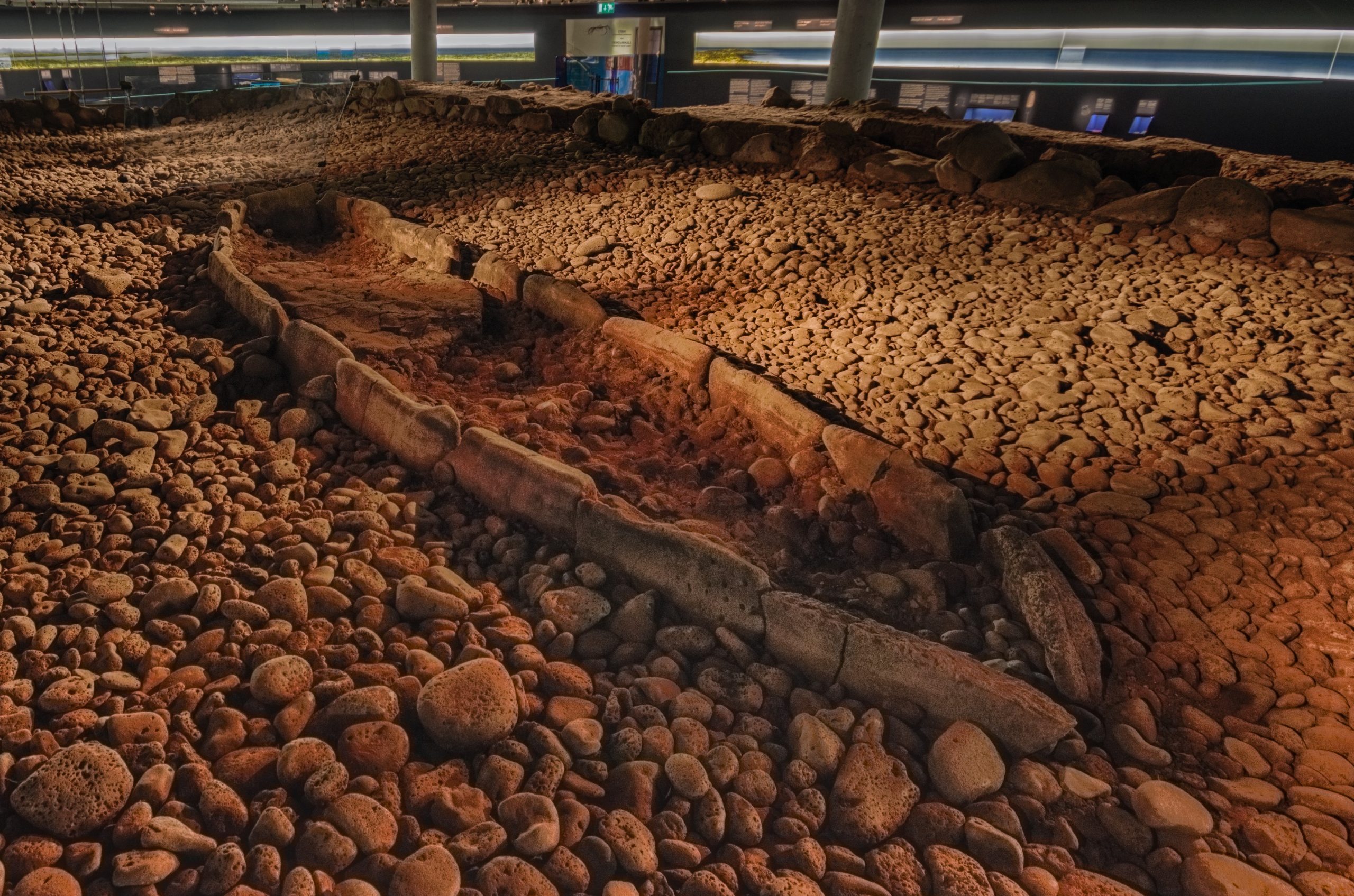
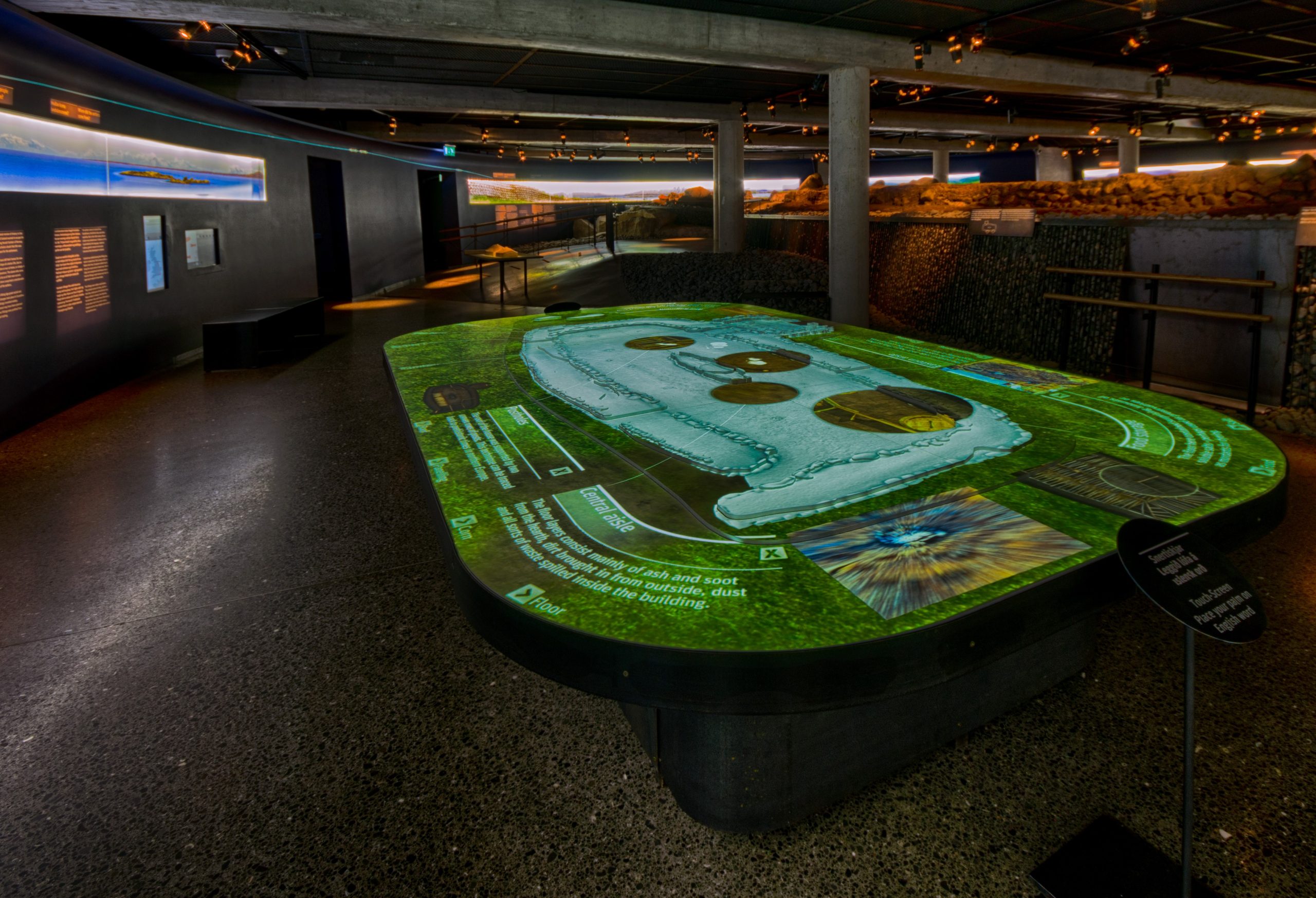
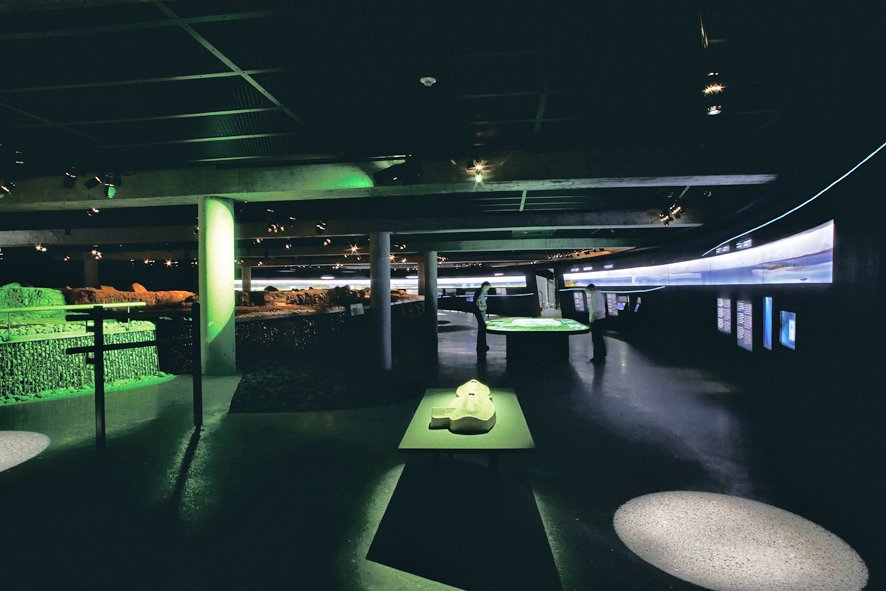
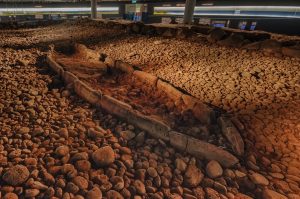
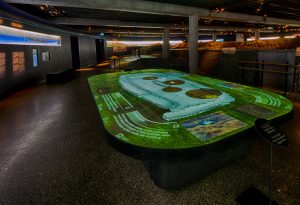
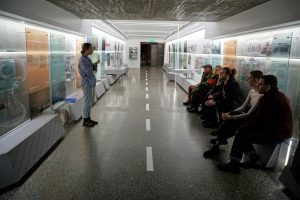
The Settlement Exhibition in Aðalstræti is based on archaeological research in the centre of Reykjavík. Visitors learn about the earliest settlement in the area. A 10th‑century longhouse ruin at Aðalstræti 16 is the heart of the exhibition. It was discovered during construction at the corner of Aðalstræti and Túngata. North of the longhouse, an older wall fragment was found, dating to around or before 871. These remains are the oldest human‑made structures found in Iceland.
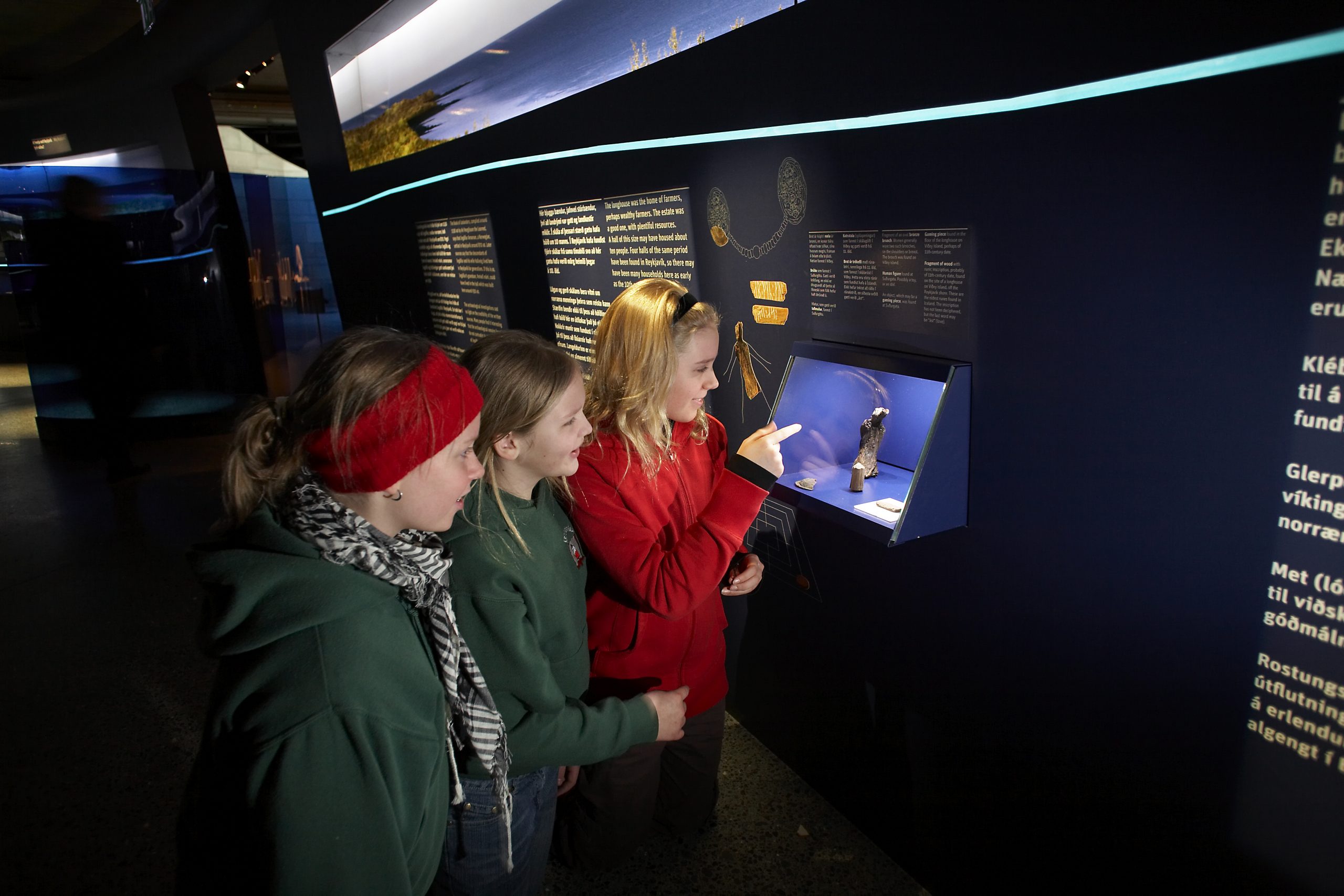
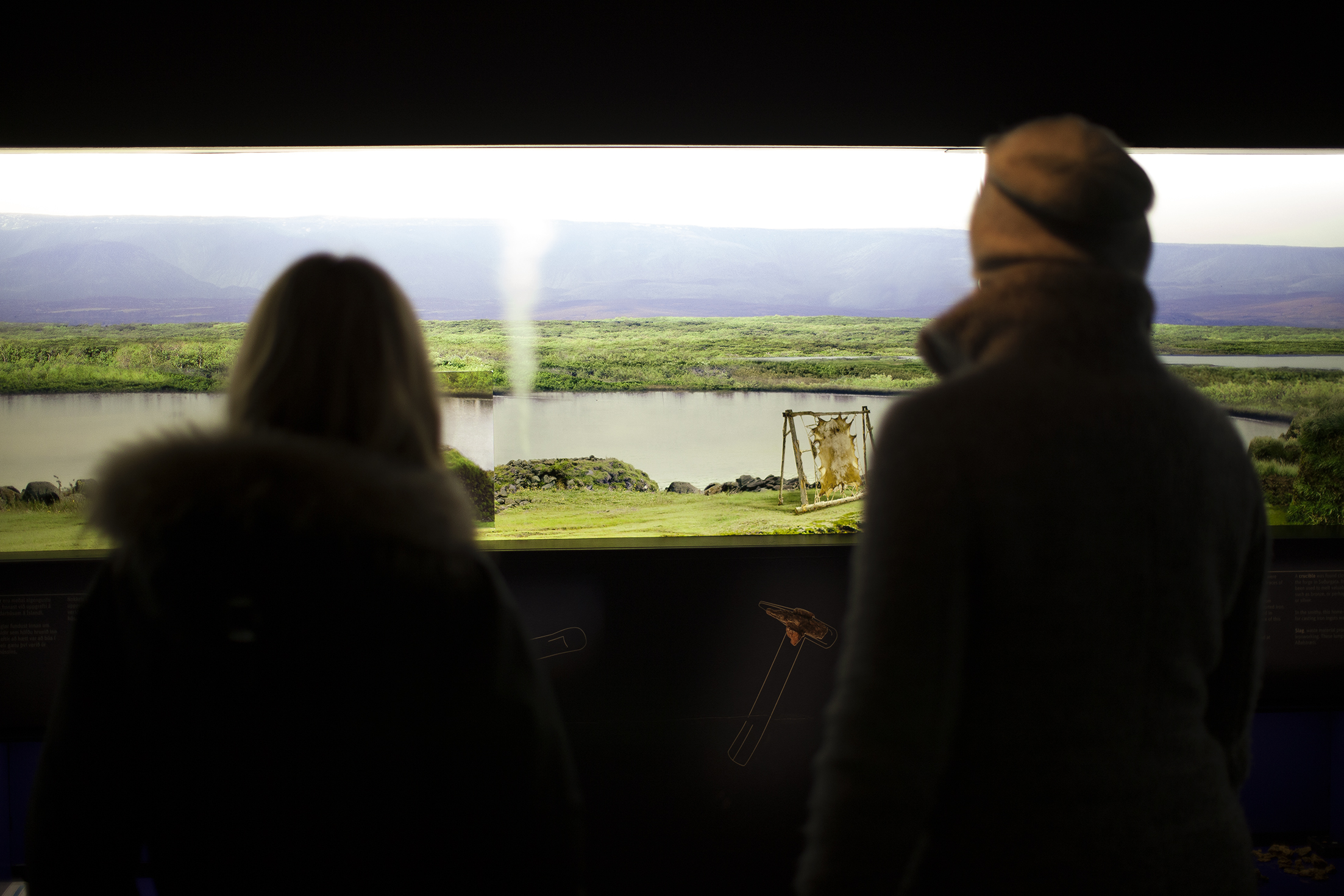
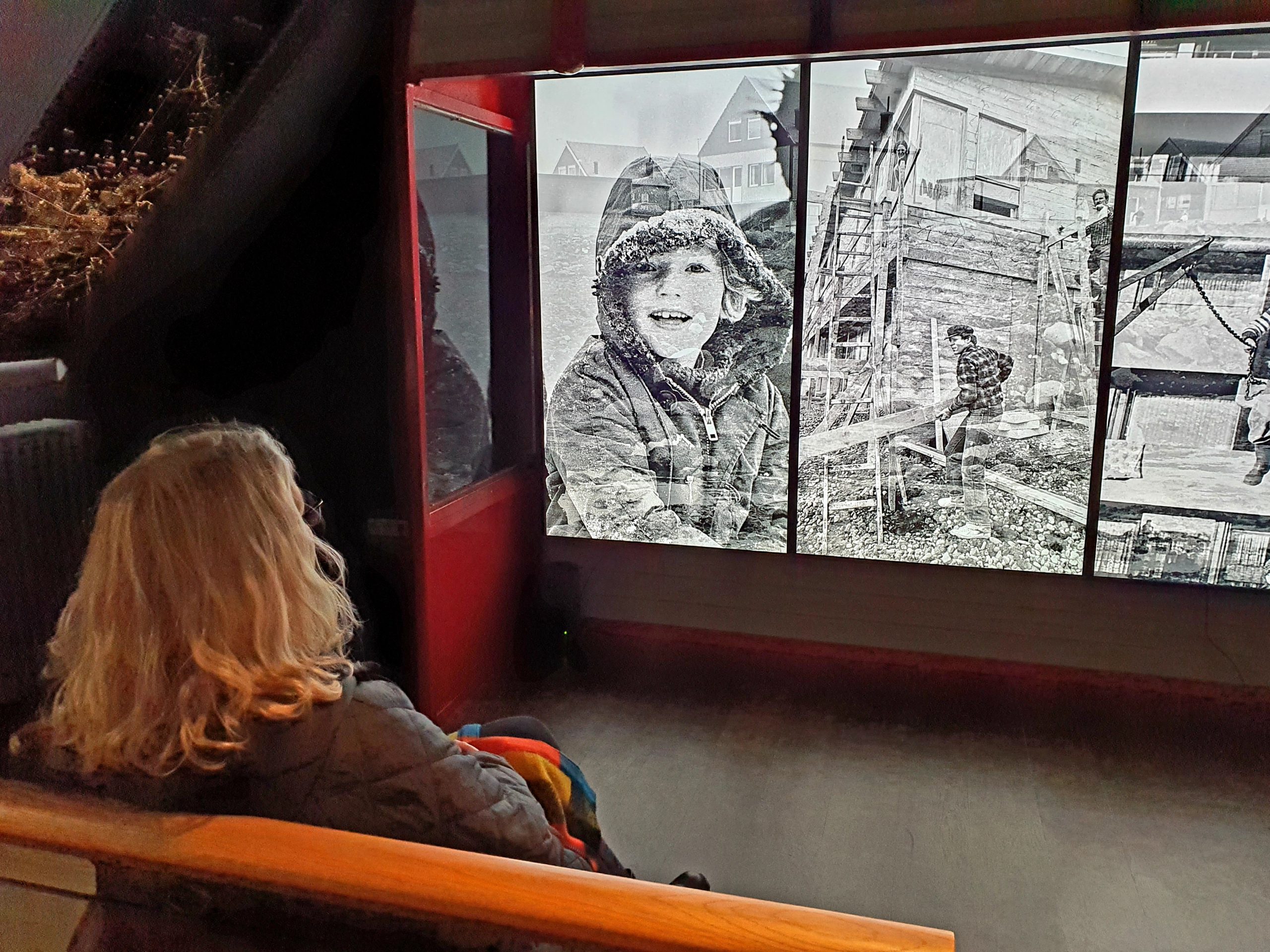
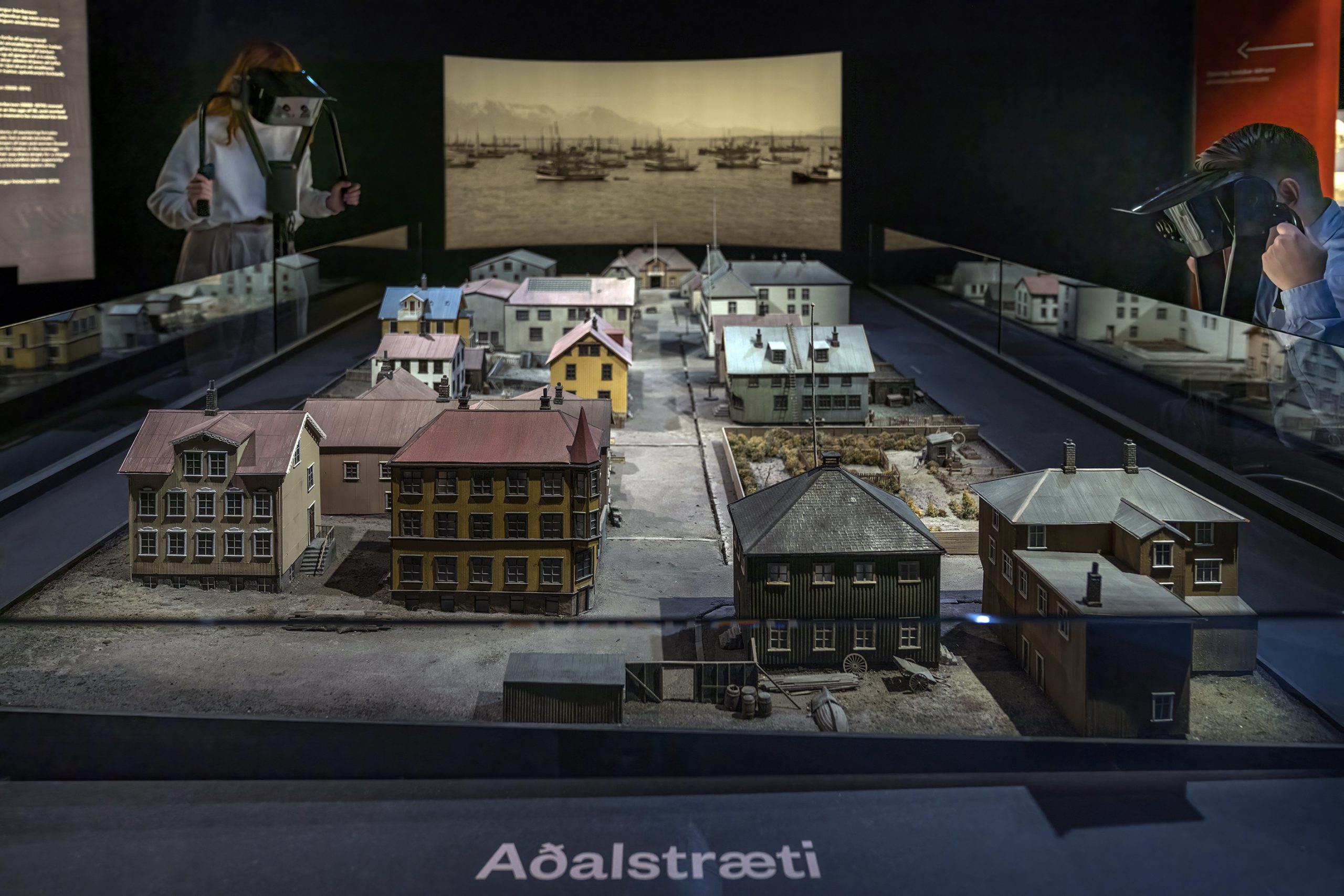
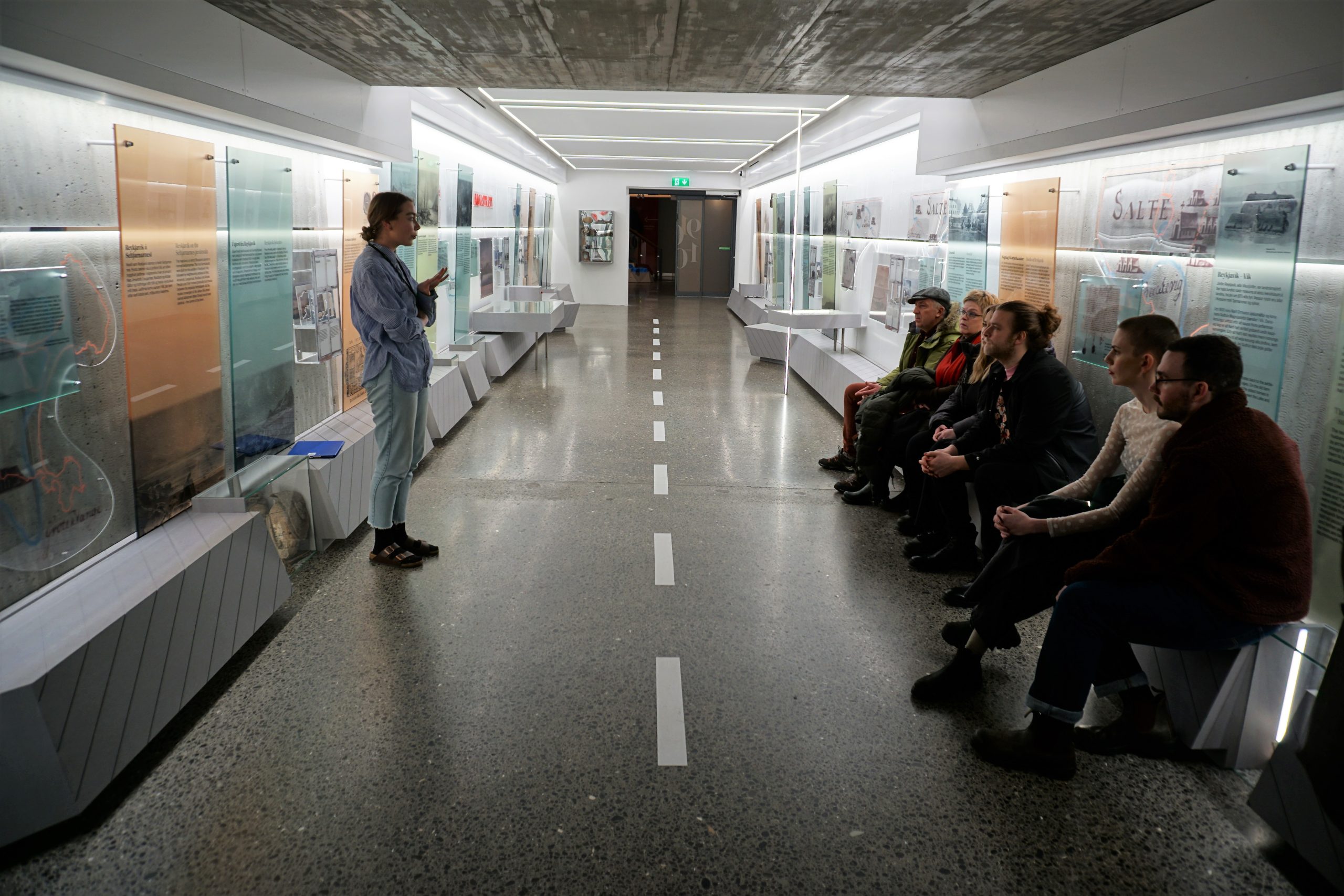
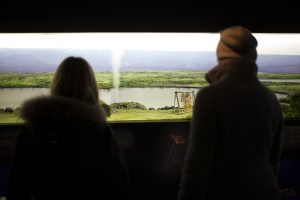
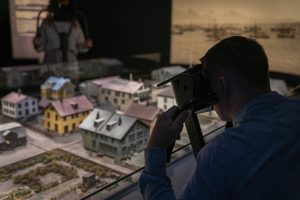
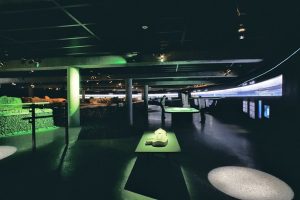
Multimedia and digital tools make the story vivid. Visitors see how Viking‑Age houses were built. They can also imagine daily life inside the longhouse. The exhibition includes artefacts from excavations in the city centre. These objects show craftsmanship, settlement and the environment of Reykjavík during the settlement period.
Reykjavík… and the Story Continues
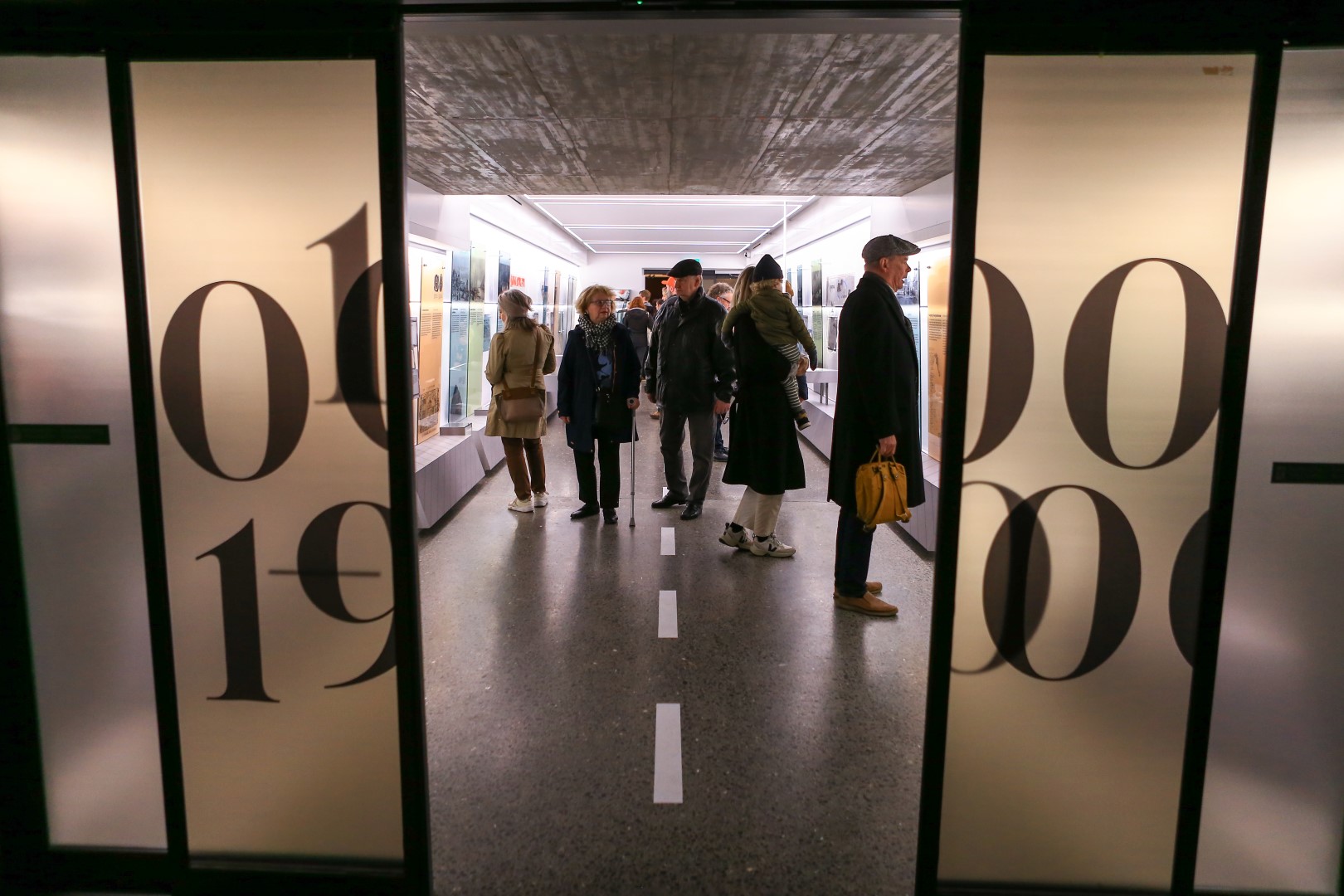
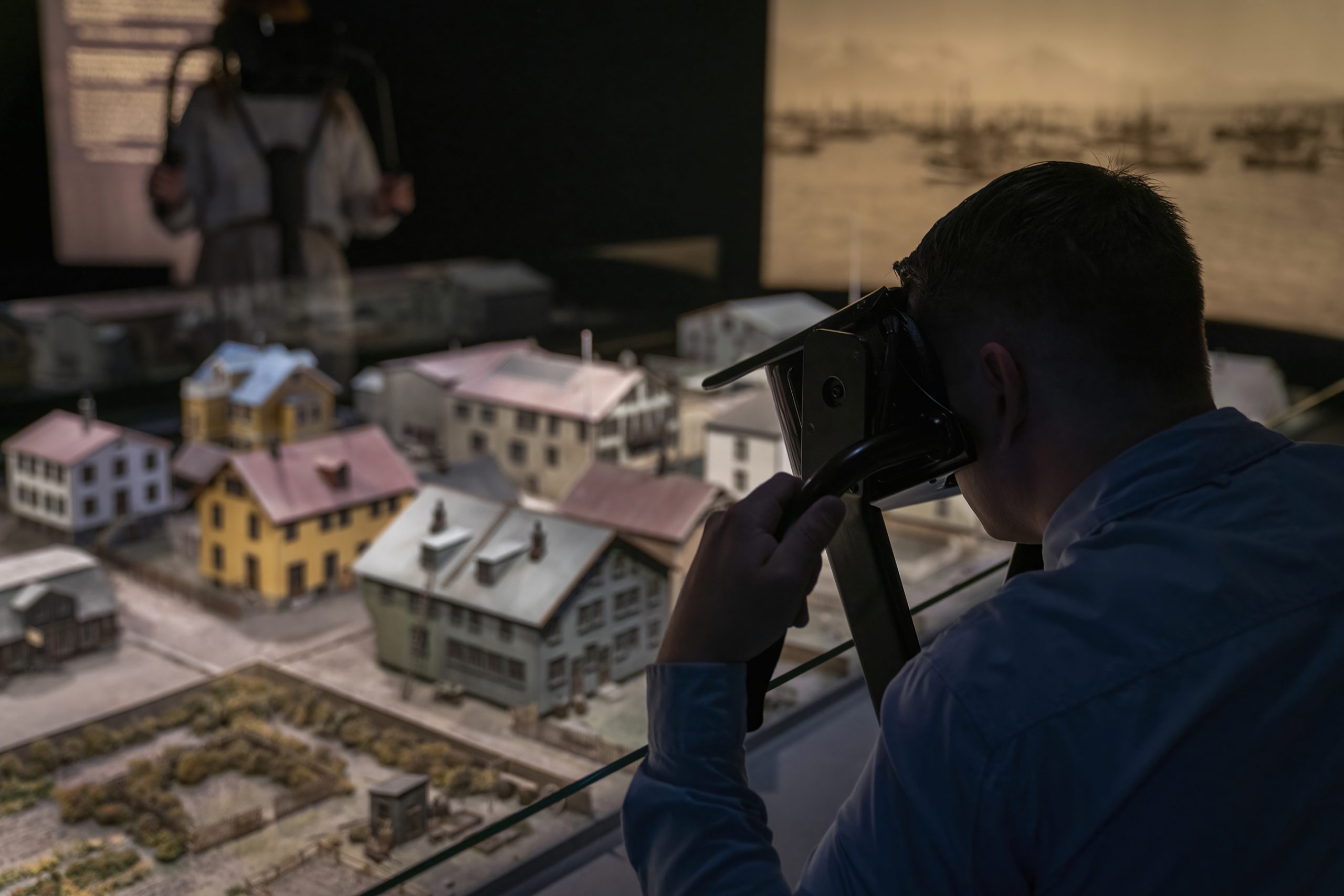
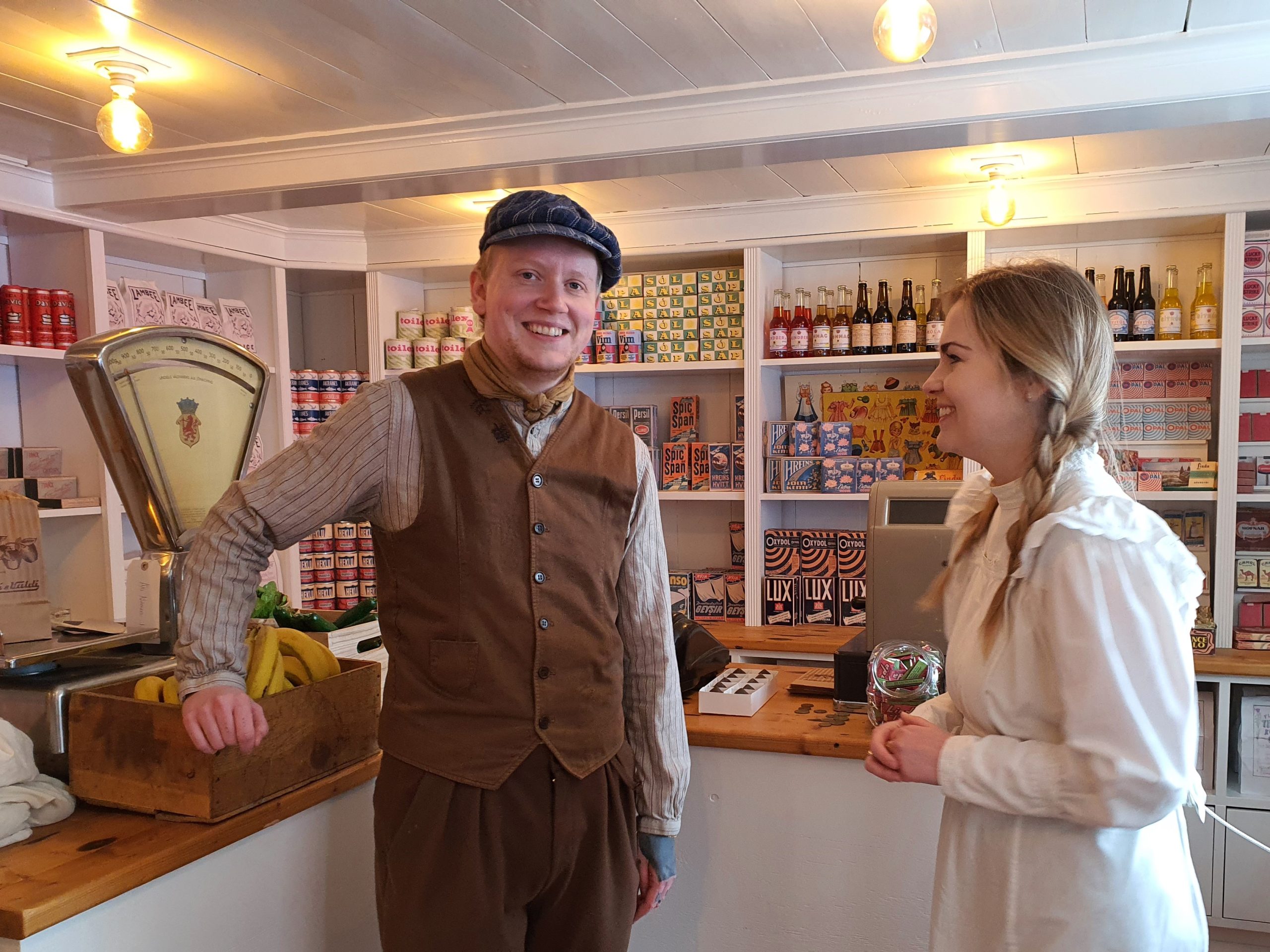
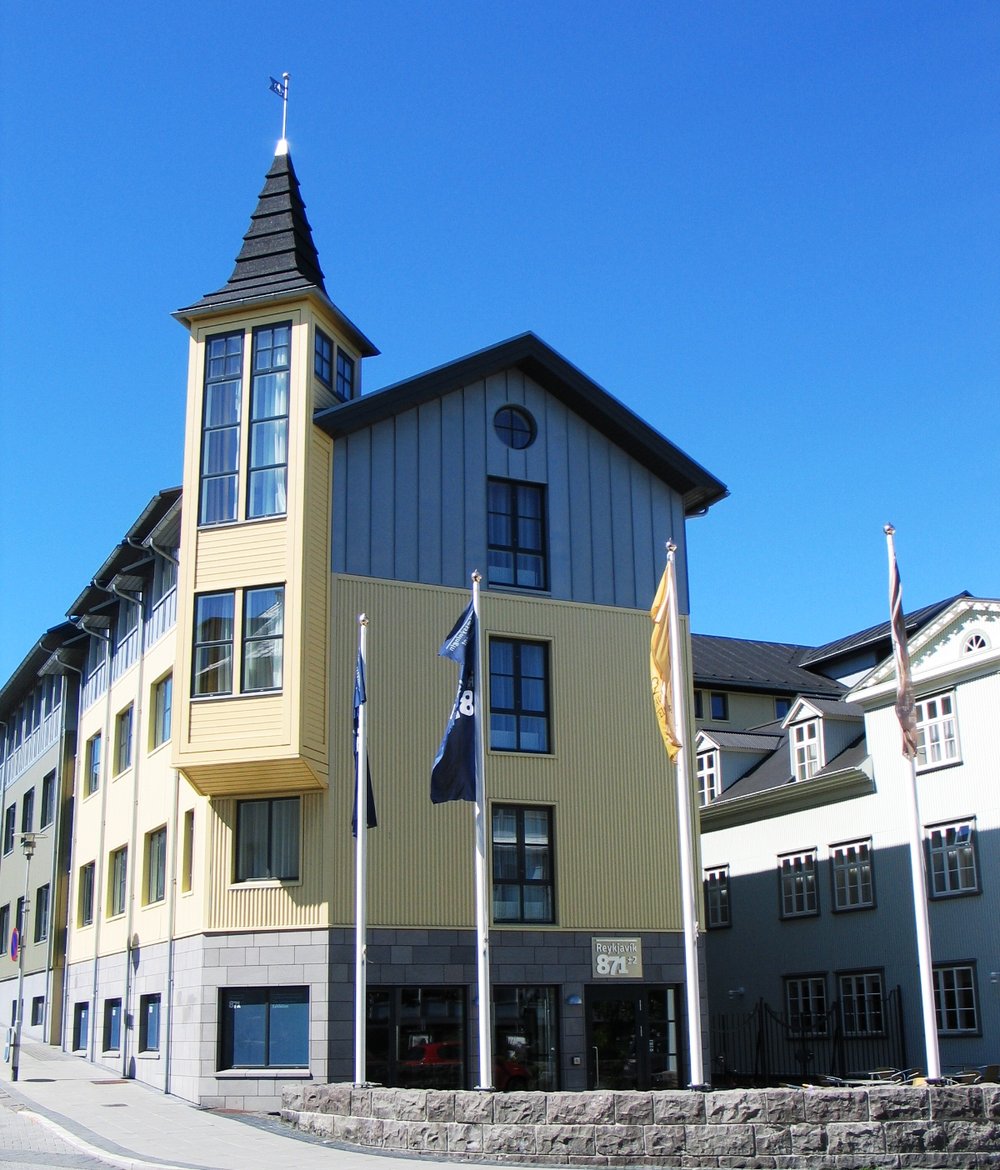
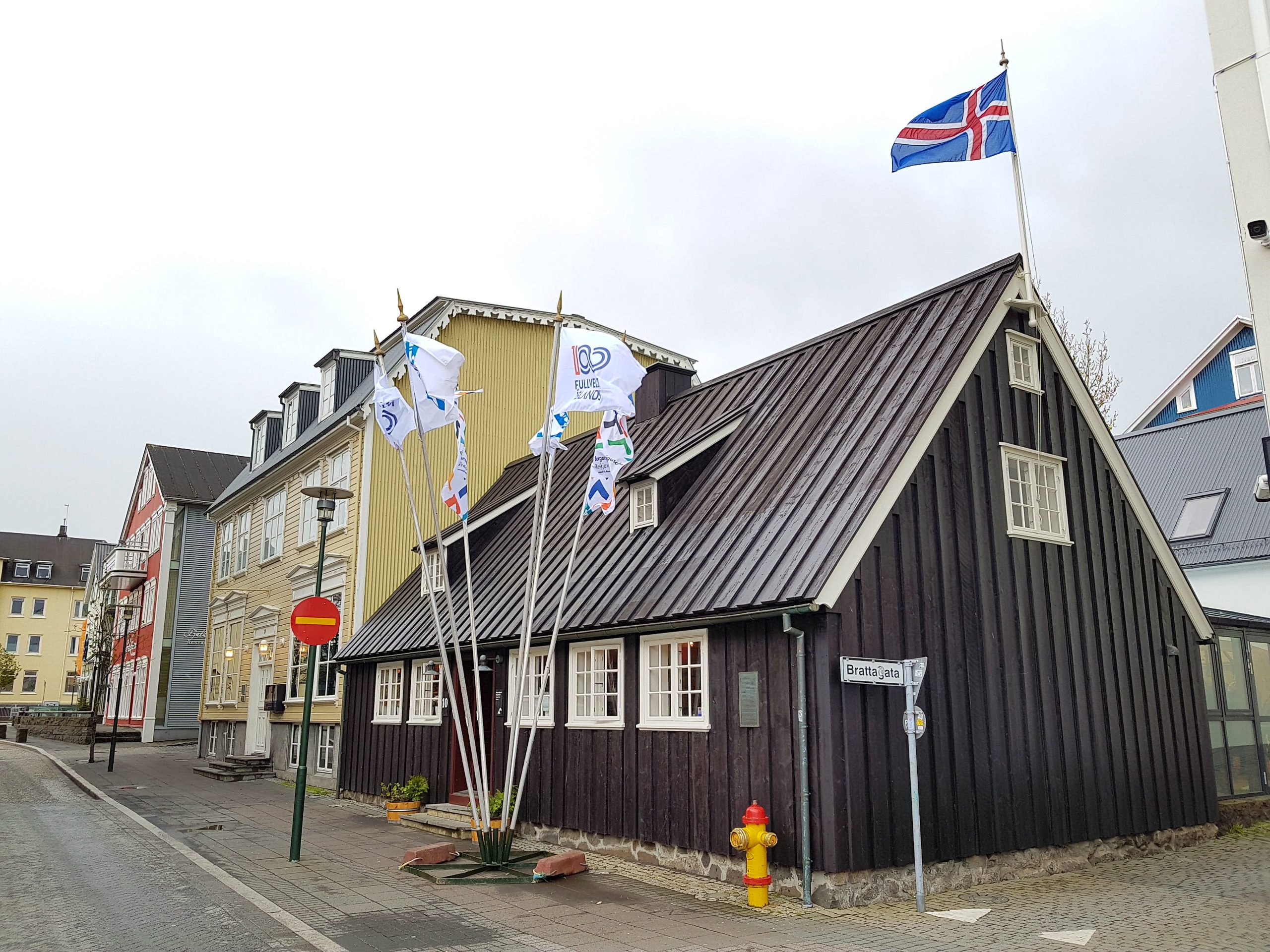
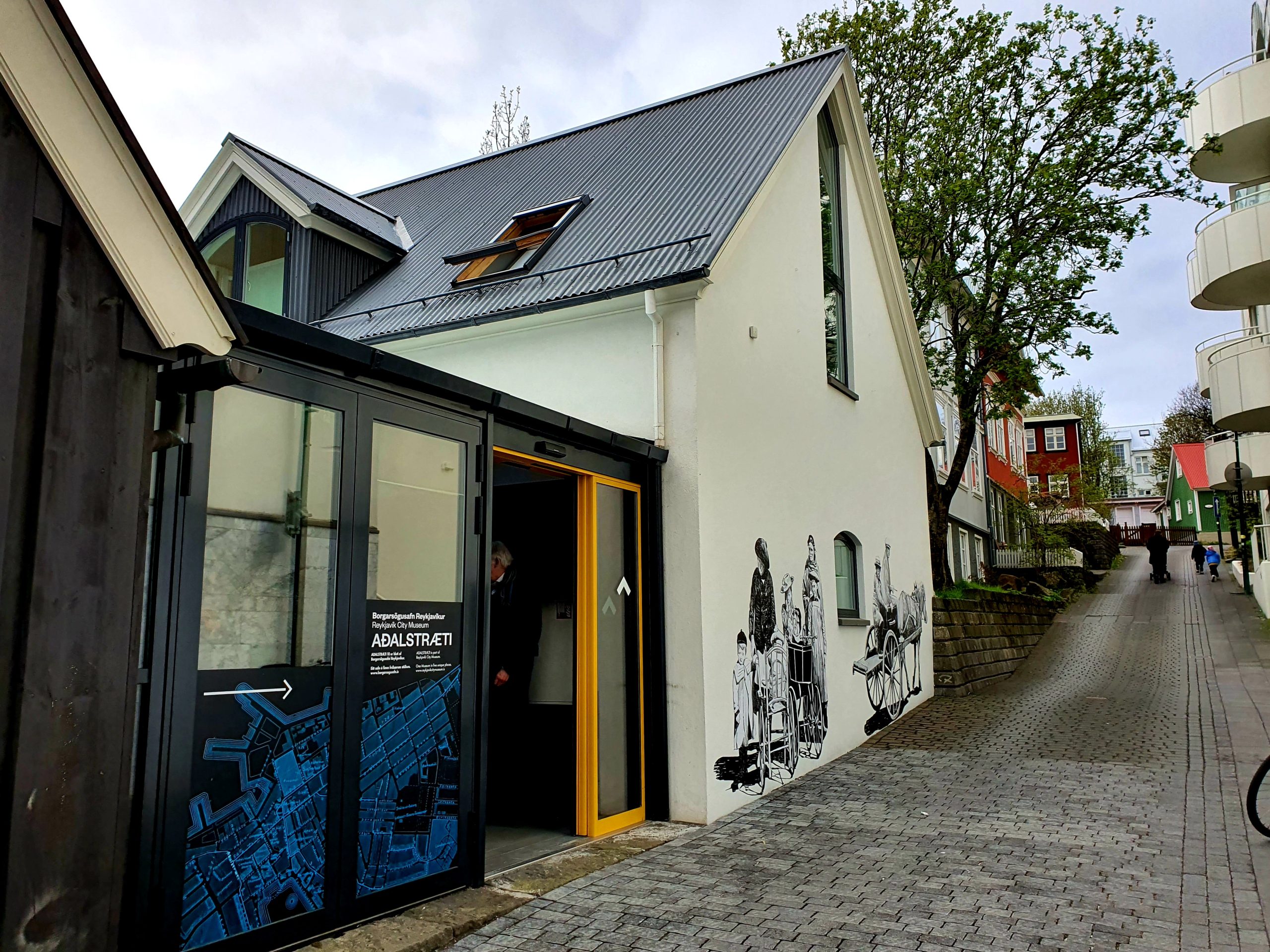
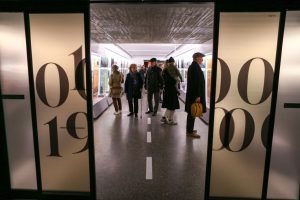
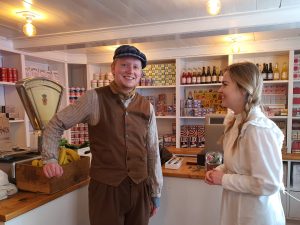
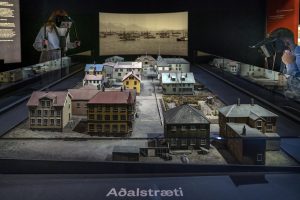
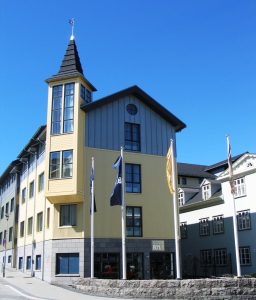
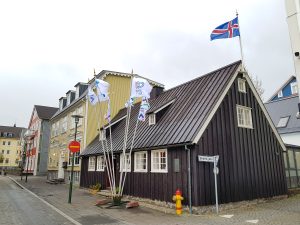
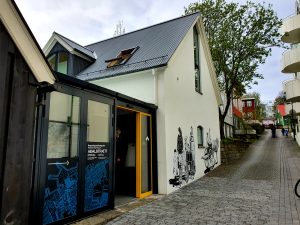
The continuation exhibition at Aðalstræti 10 connects underground to the original exhibition in Aðalstræti 16. It carries the story of Reykjavík forward into modern times. The house, built in 1762, is the oldest in the city centre. Here, visitors see scenes from daily life through the centuries. The focus is on changing times and the development of the town.
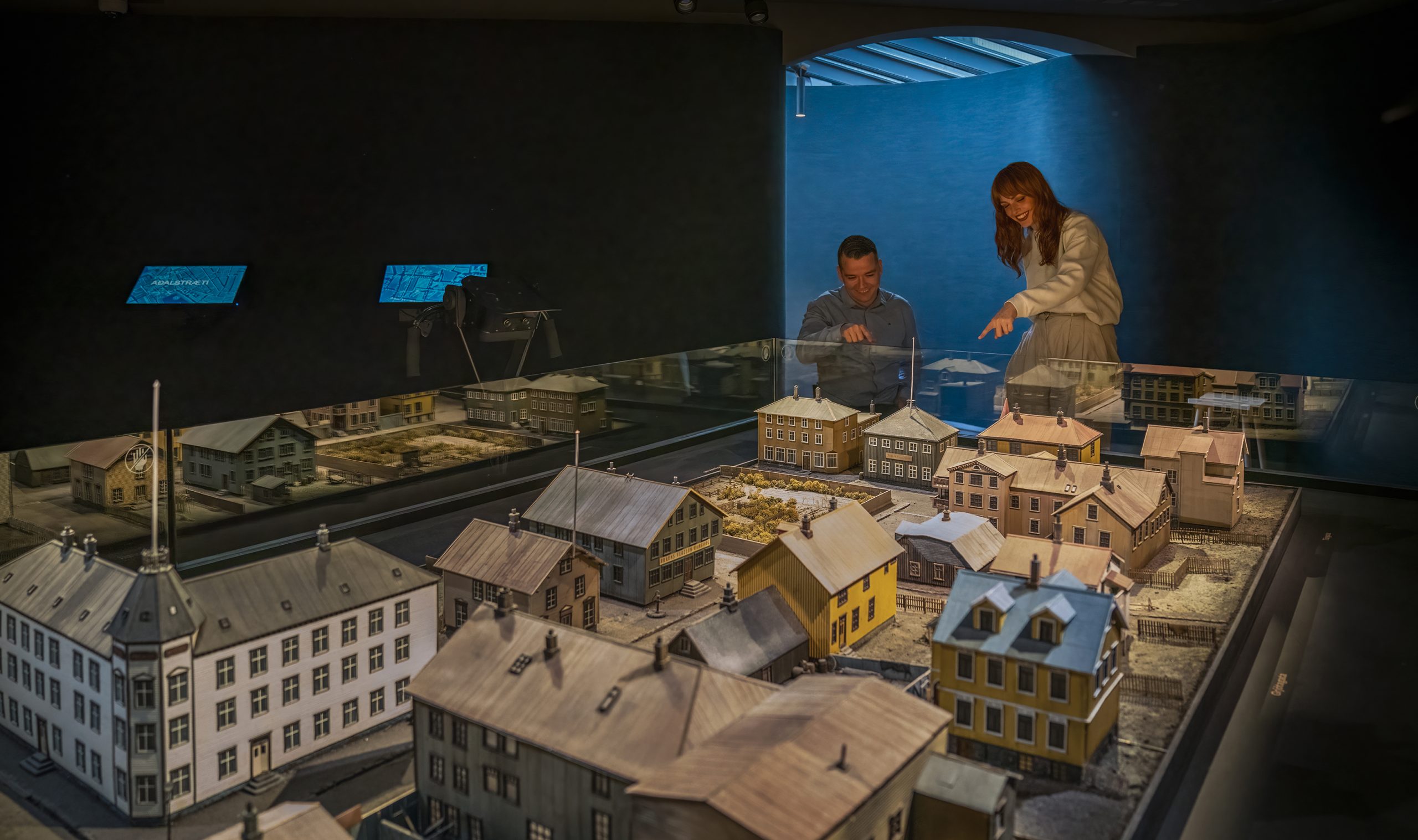
The exhibition in Aðalstræti uses varied methods to create a lively experience. It presents historical spaces and artefacts from different periods. The aim is to spark curiosity and show how Reykjavík has changed over time.
Family‑Friendly Spaces and an Enjoyable Experience
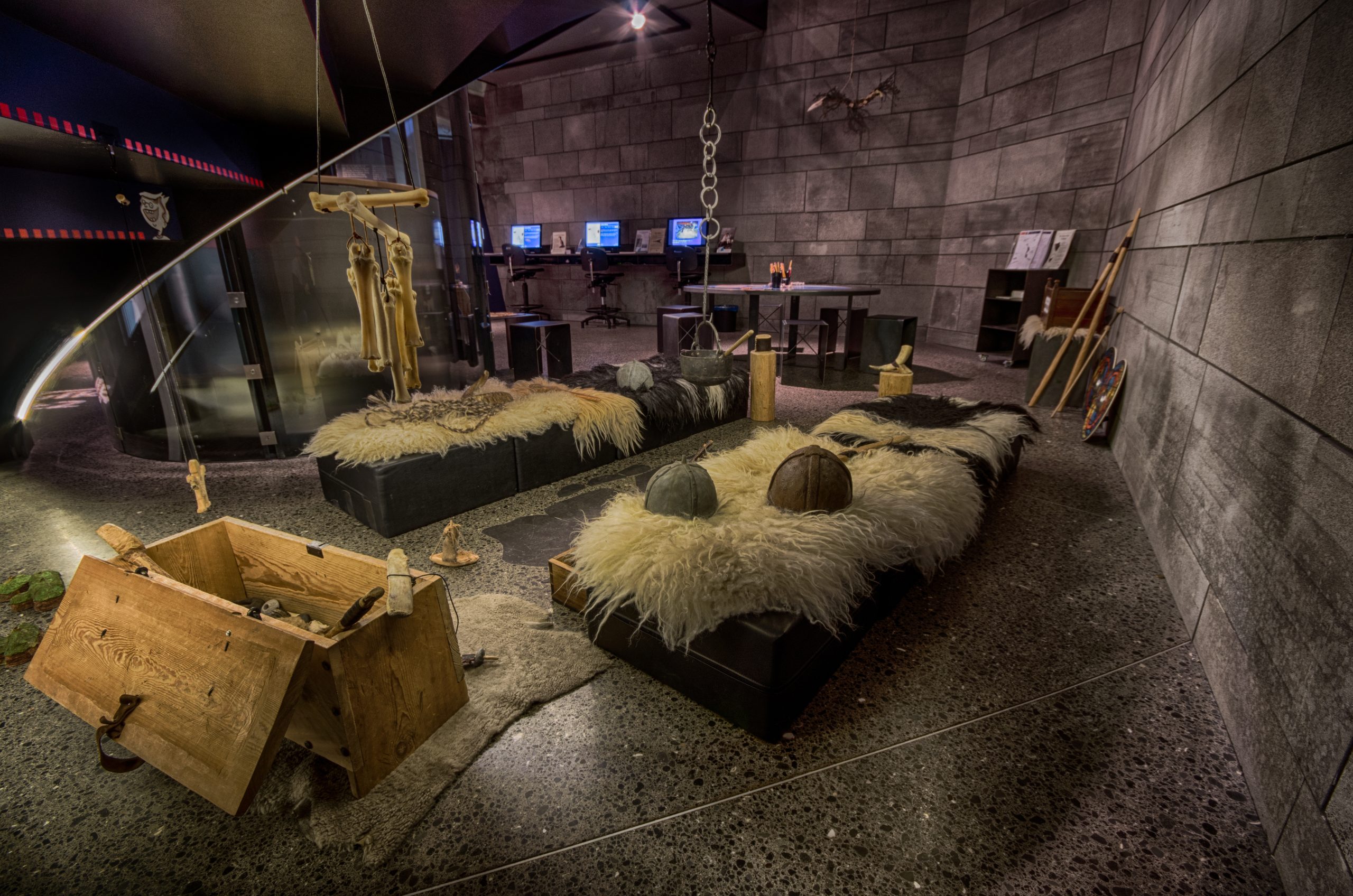
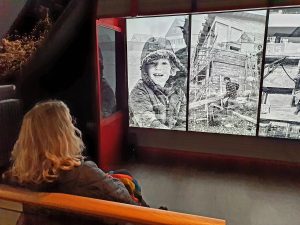
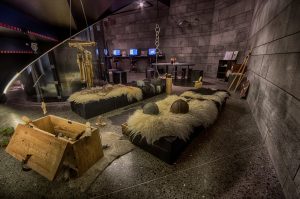
At Aðalstræti 16, a family area offers playful learning. Children and adults explore life during the settlement period. Games and toys resemble those used in the Viking Age. The space suits families who are eager to discover history together.
Museum Shops at Aðalstræti 16 and Aðalstræti 10
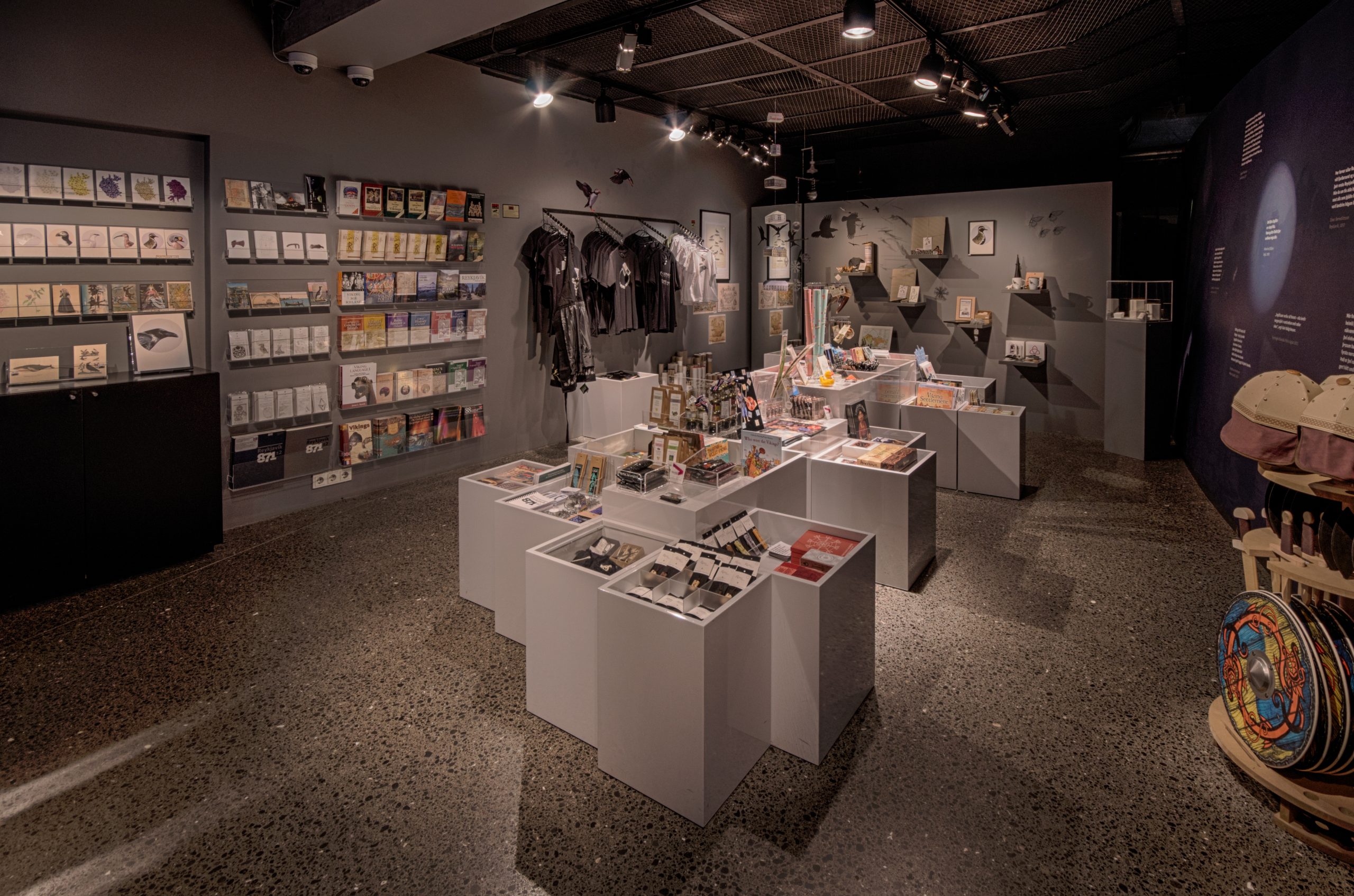
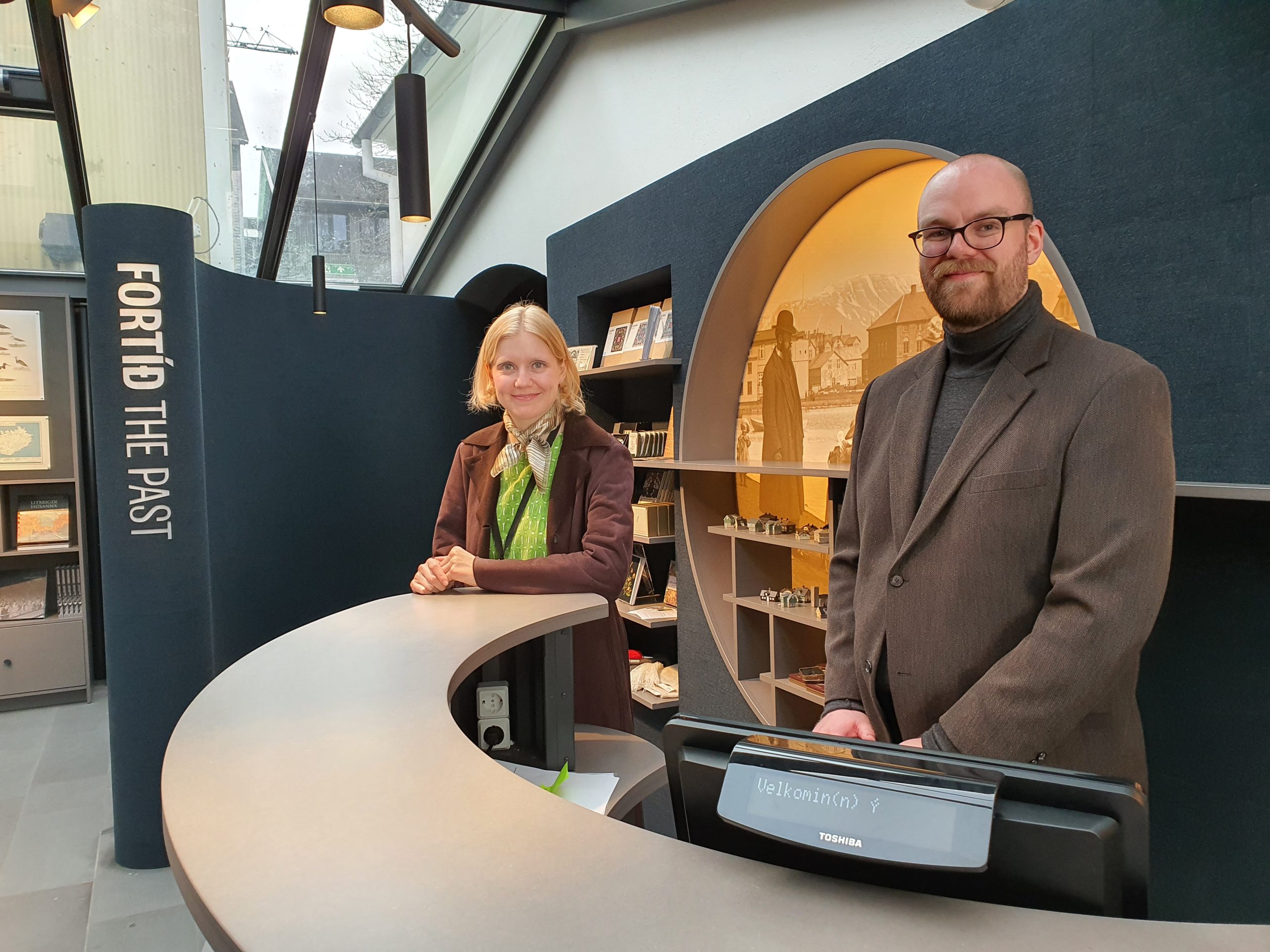
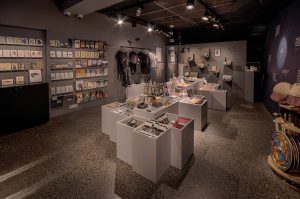
The shop at Aðalstræti 16 offers souvenirs linked to the settlement period and the Viking Age. It includes handcrafts, design items and books. The shop at Aðalstræti 10 supports the continuation exhibition and offers products that reflect the later history of Reykjavík.

 Aðalstræti 10 og 16, 101 Reykjavík
  settlementexhibition@reykjavik.is
 (+354) 411 6370
 Opening hours: