



The Akranes Folk Museum
Living Cultural Heritage of Akranes
The Akranes Folk Museum at Garðar has in recent years become one of the town’s main attractions. The museum offers a unique experience for everyone – even for those who do not usually consider themselves museum enthusiasts. Here, the history of settlement, industry and daily life south of Skarðsheiði is brought vividly to life.
Main Exhibition – History from the 17th Century to Today
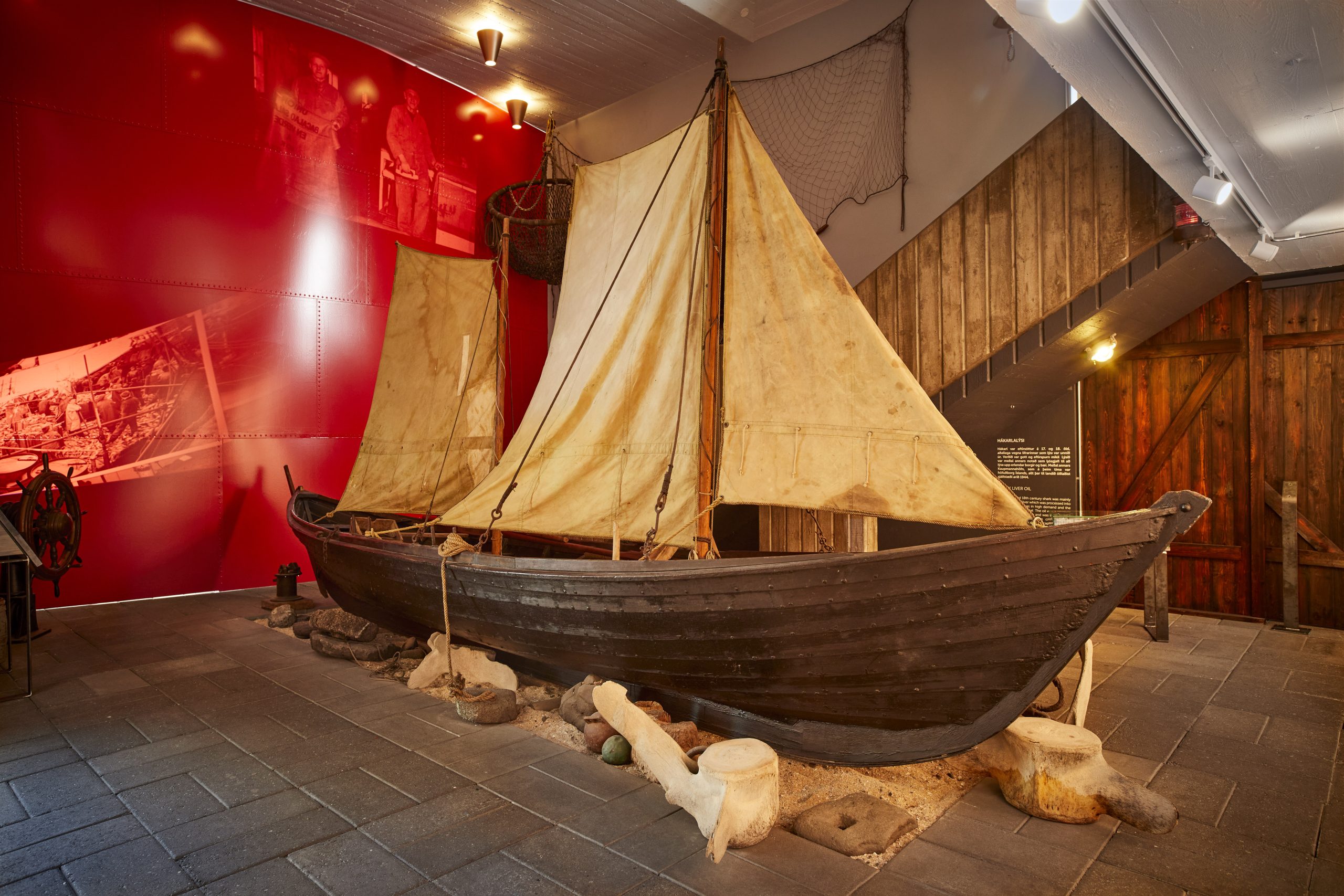
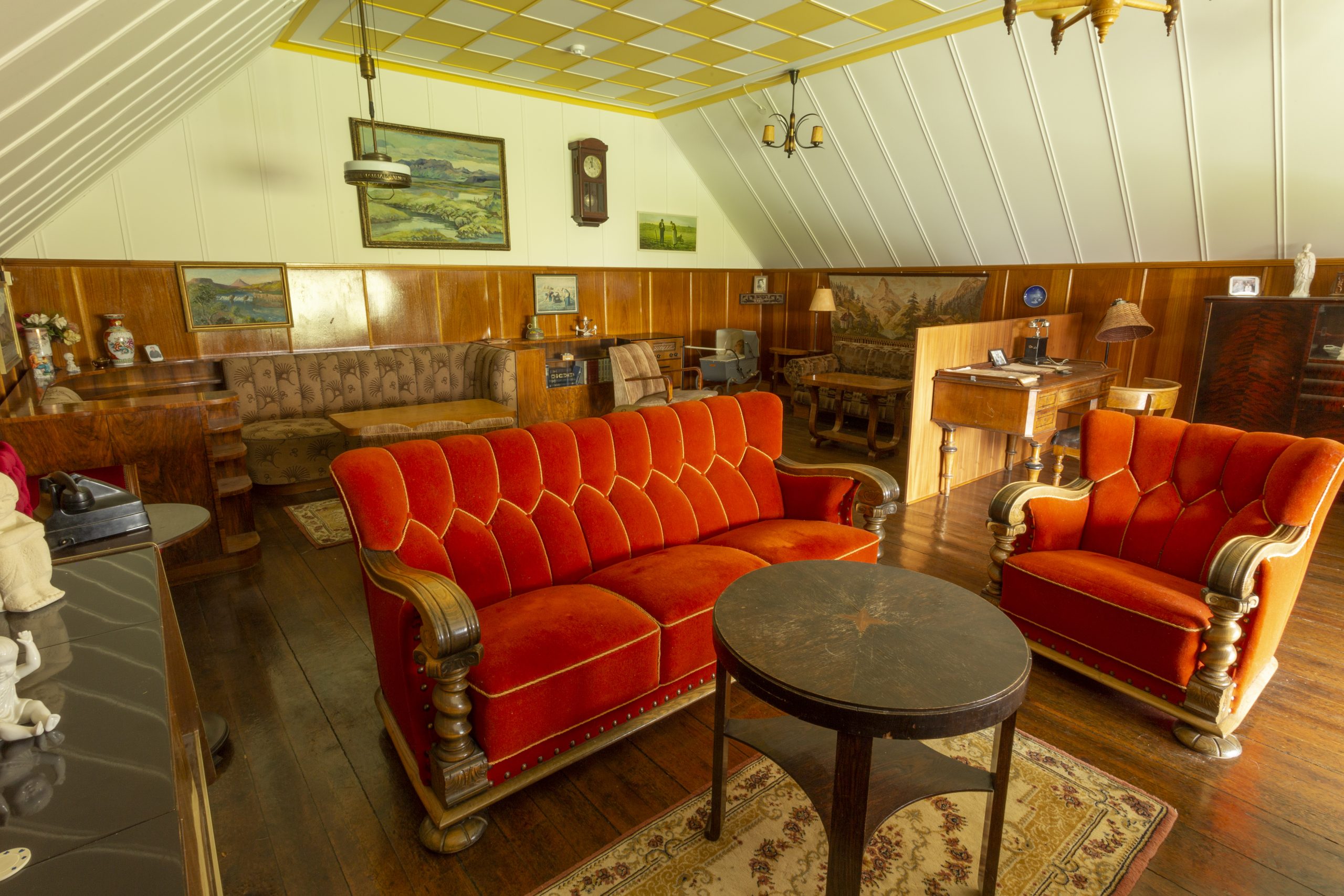
The new main exhibition opened on 15 May 2021 and guides visitors through the region’s history, from a small 17th‑century fishing village to a modern town with around eight thousand inhabitants. The exhibition spans both maritime and rural life, work and community, and is built on a rich interplay of stories, photographs and objects displayed across both floors of the building.
Four Parts of the Exhibition
The exhibition is divided into four sections reflecting daily life through the centuries:
- Life at Sea – the story of fishermen and the fishing industry.
- Life on Land – rural society and everyday life in the countryside.
- Life at Work – industry, labour and individual achievements.
- Life at Play – culture, leisure and community life.
Visitors are introduced to individuals who shaped the community and hear stories of both small and significant achievements. The exhibition is built on a combination of objects, images and narratives, brought to life through an audio guide available in Icelandic and English.
Historic Buildings and the Cutter Sigurfari
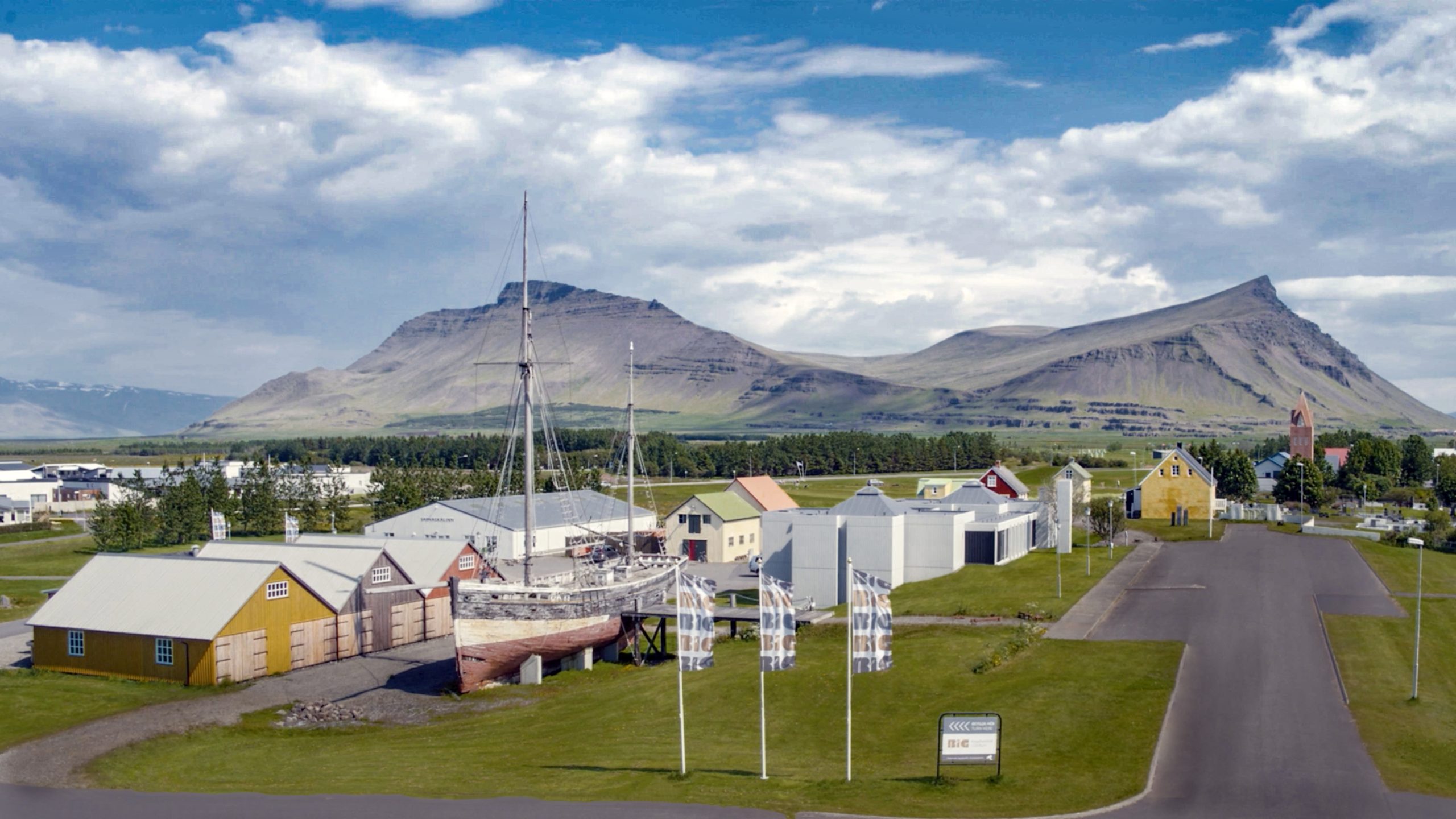
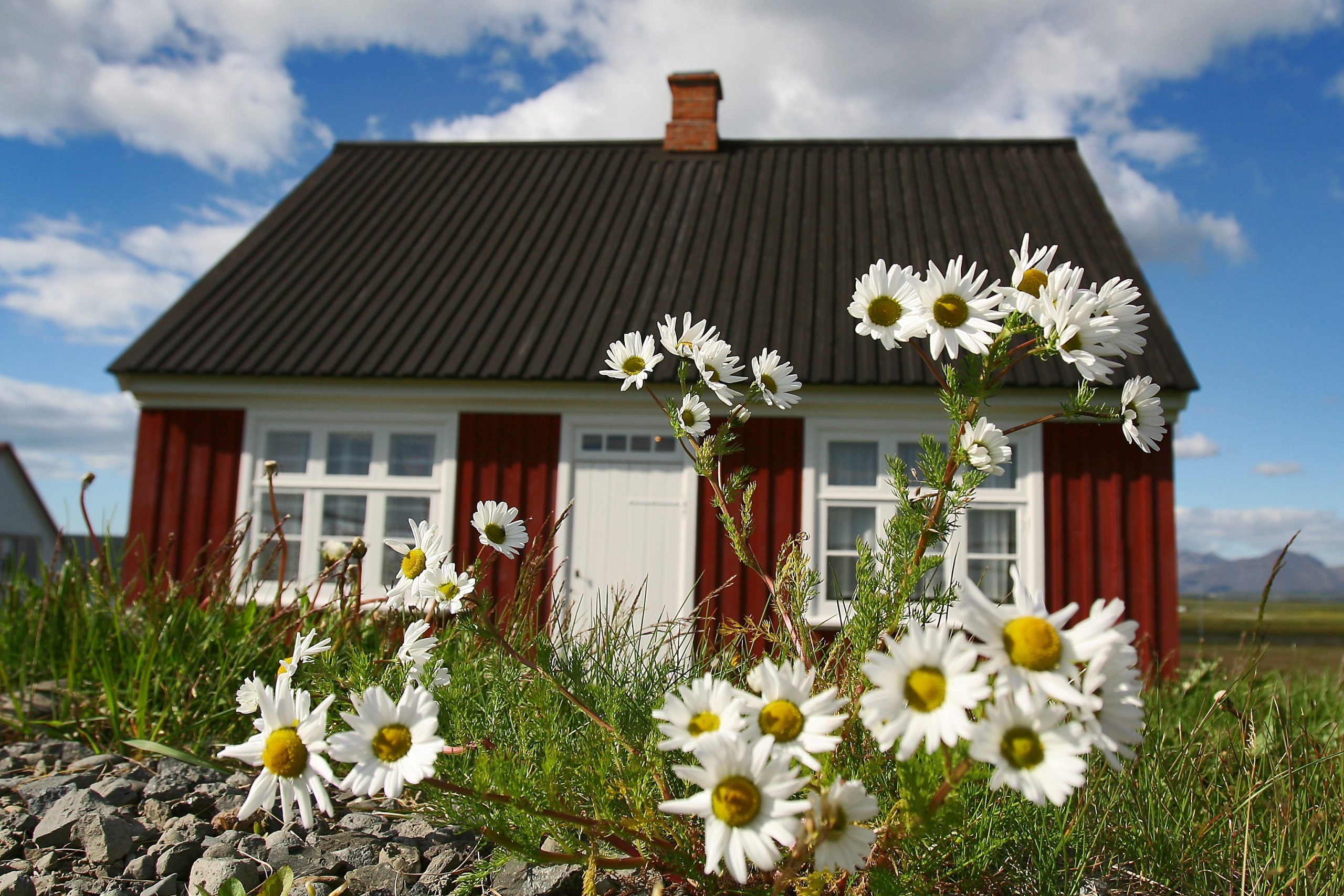
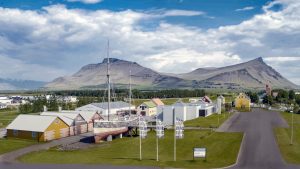
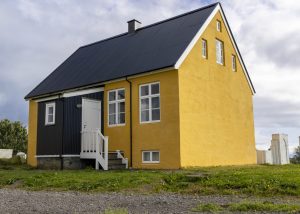
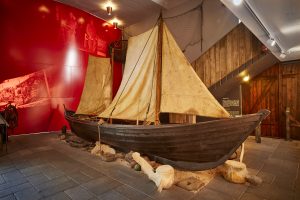
In recent years, historic buildings connected to the story of Akranes have been moved to the museum and restored in honour of past generations. The museum also features the beginnings of a boat collection and displays the cutter Sigurfari, the only preserved cutter of its kind in Iceland.
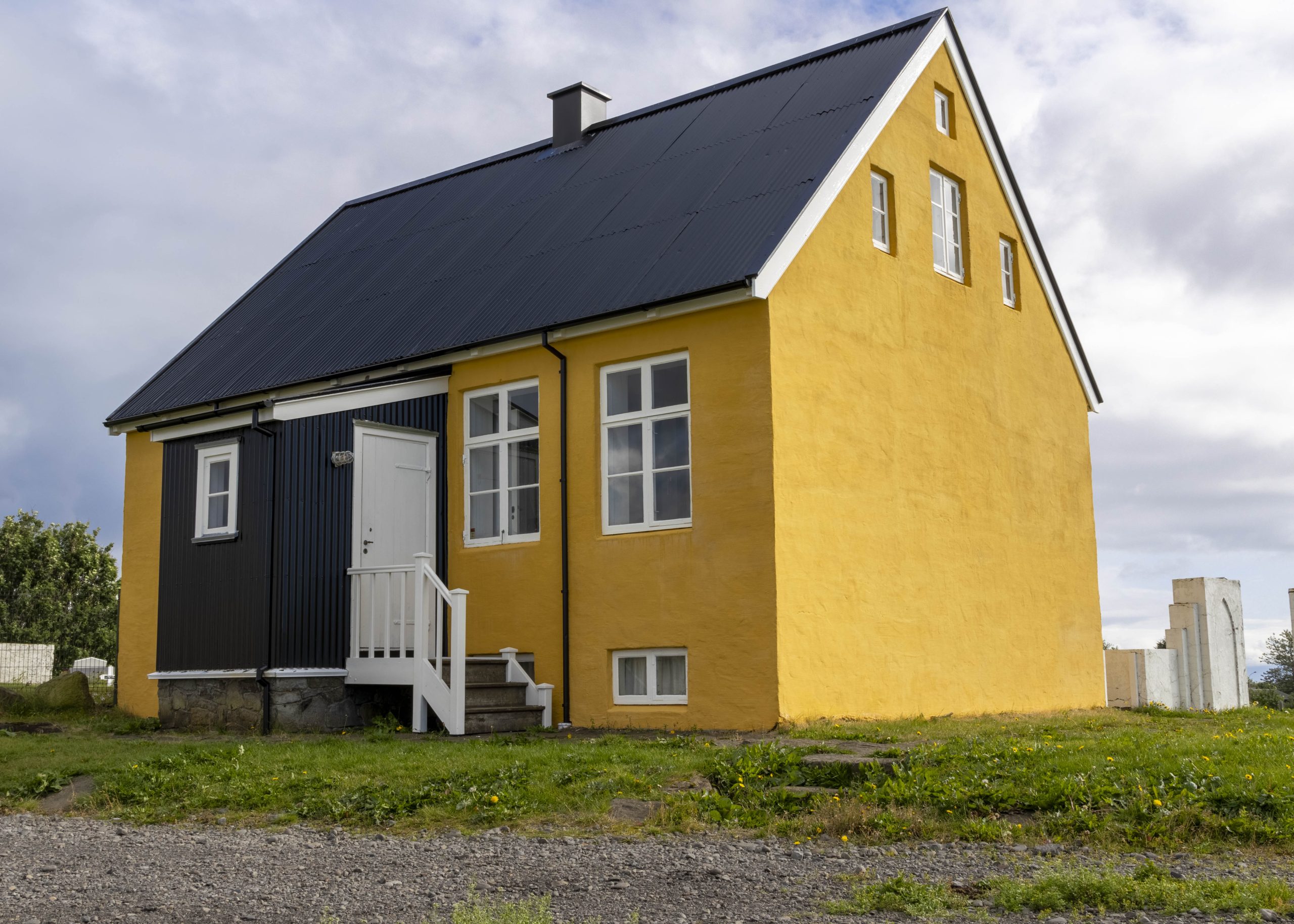
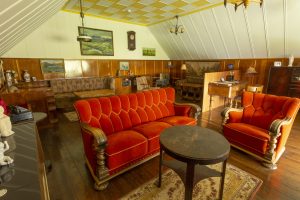
Garðahúsið, the old vicarage from 1876, is the first concrete residential building of its type constructed in Iceland – and possibly in the Nordic countries.
Interactive Audio Guide and Outdoor Area
The exhibition is supported by an audio guide in Icelandic and English, making the experience both personal and accessible.
Outdoors, visitors can explore buildings connected to the history of fishermen and the local community, and enjoy views of Akrafjall – the same mountain seen by the first settlers in the 9th century.
Information and Visits
Groups are welcome, and guided visits can be booked via
museum@museum.is or by calling (+354) 433‑1150.
Further information on opening hours, events and news can be found on the museum’s website:
museum.is/en
Visit West Iceland
For more ideas on activities in West Iceland, visit the page for
Visit West Iceland.

 Garðaholt 3, 300 Akranes
  museum@museum.is
 (+354) 433 1150
 Opening hours: