


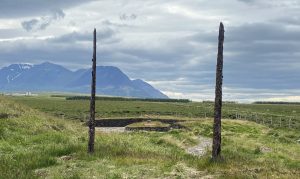
Þrístapar Memory Site
Historic execution site
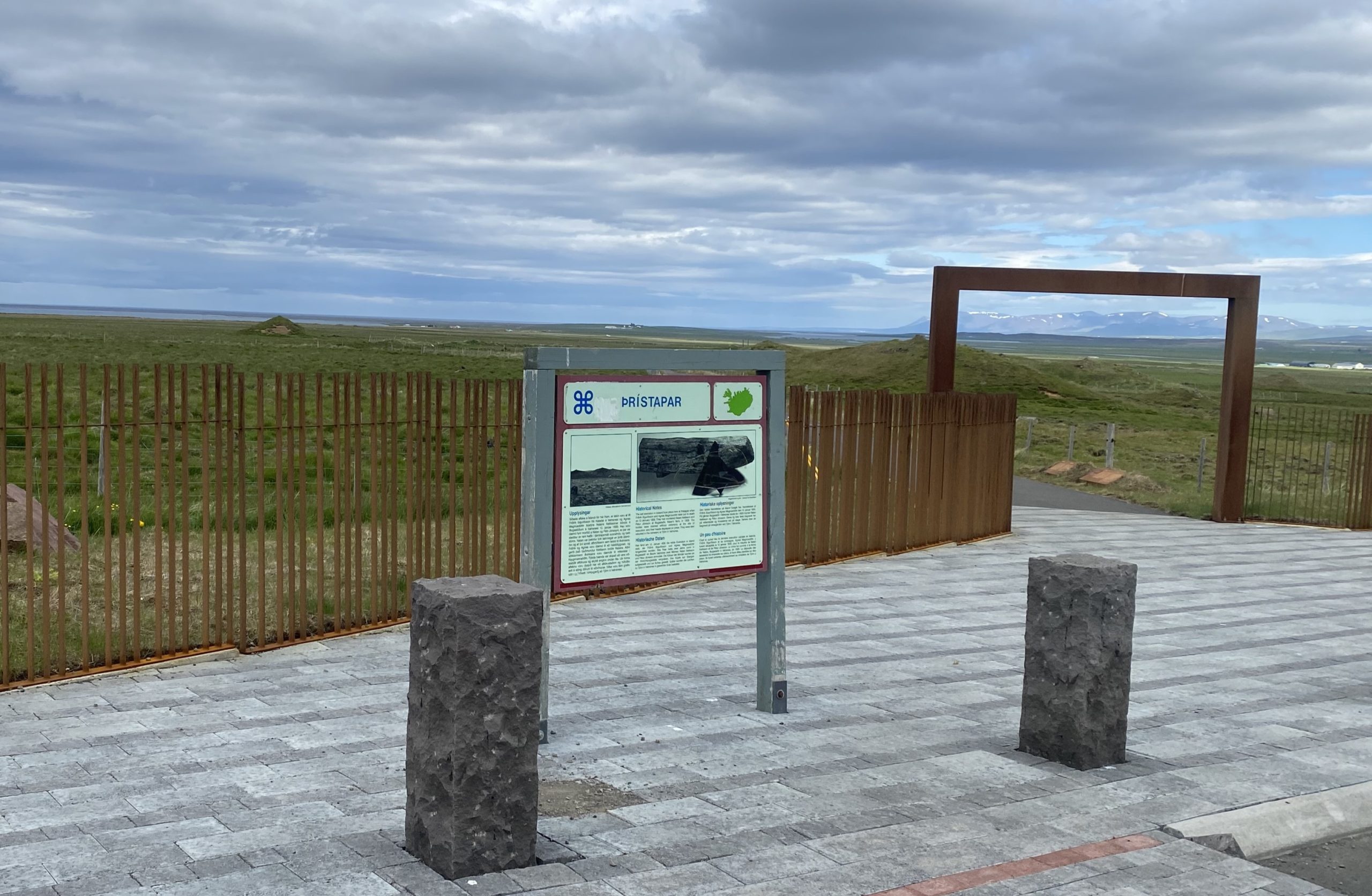
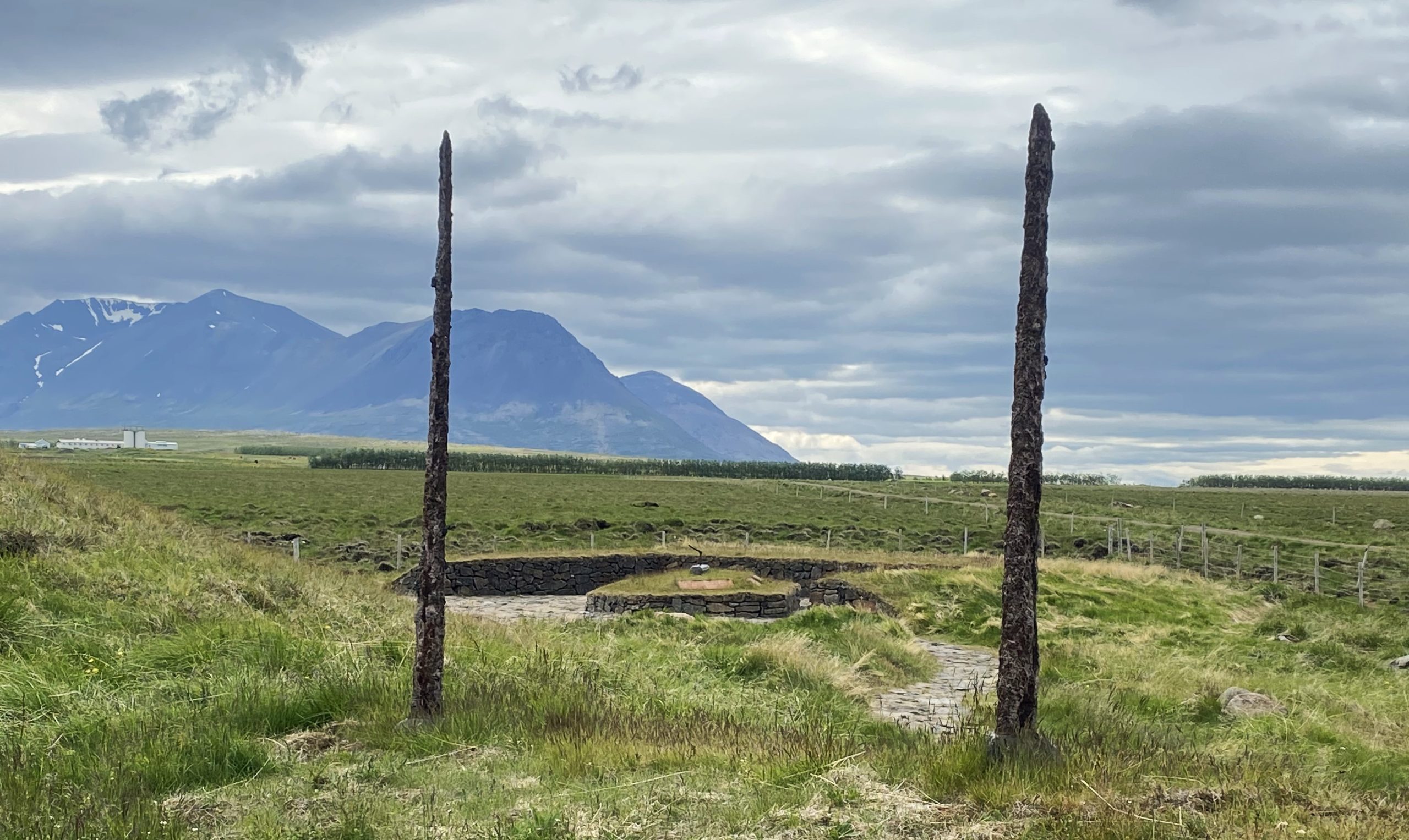
Þrístapar consists of three small hills on the western side of Vatnsdalshólar, just north of Route 1. The site is known for the last public execution in Iceland in 1830, connected to the Illugastaðir murder case. The hills stand as a stark reminder of a dramatic event that has shaped the legal and cultural history of North Iceland.
The last public execution in Iceland (1830)
On 12 January 1830, the last public execution in Iceland took place at Þrístapar. Agnes Magnúsdóttir and Friðrik Sigurðsson were sentenced to death for the murders of Natan Ketilsson and Pétur Jónsson at Illugastaðir in 1828. The executioner was Guðmundur Ketilsson, Natan’s brother.
Artefacts at the National Museum of Iceland
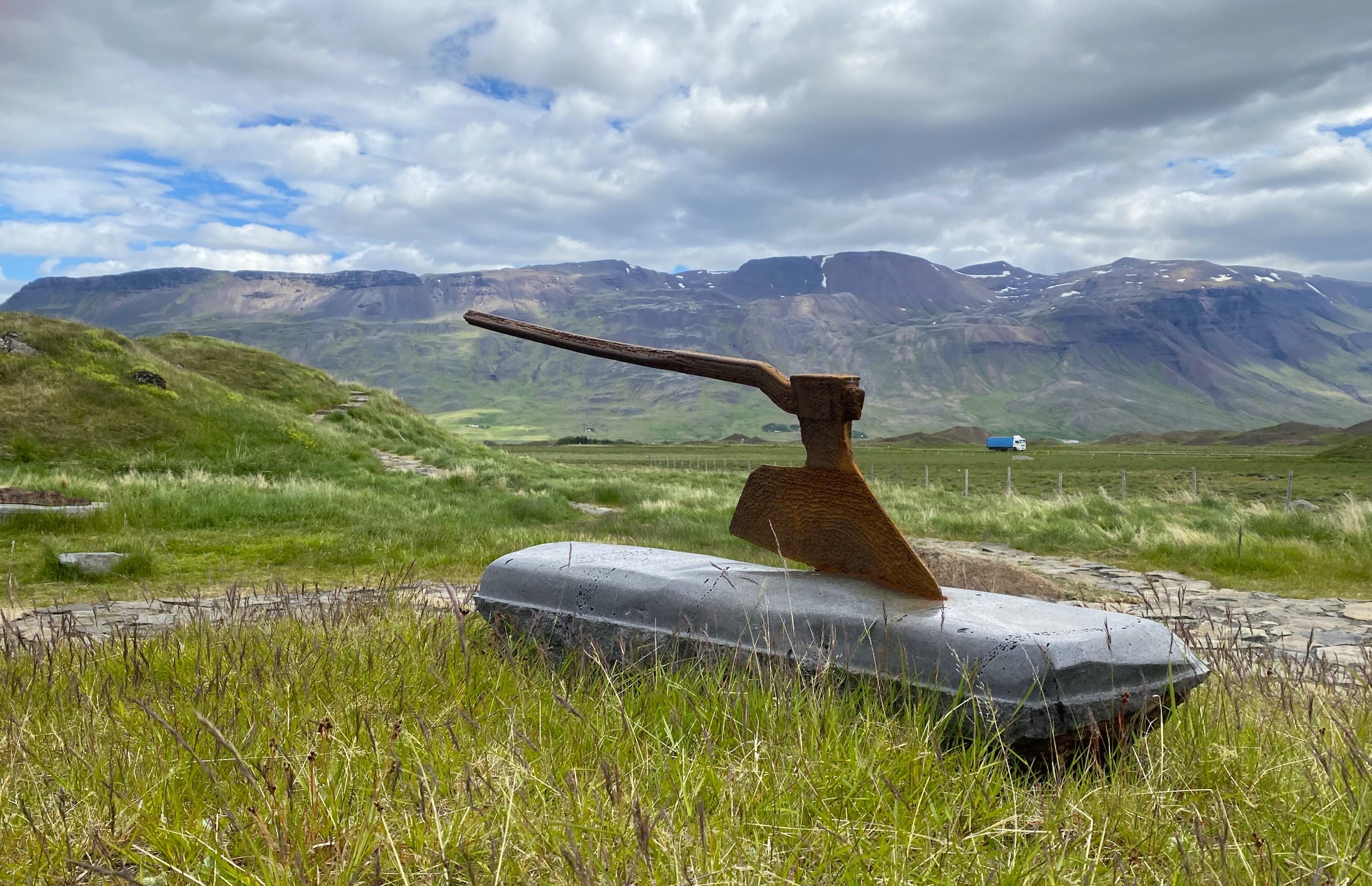
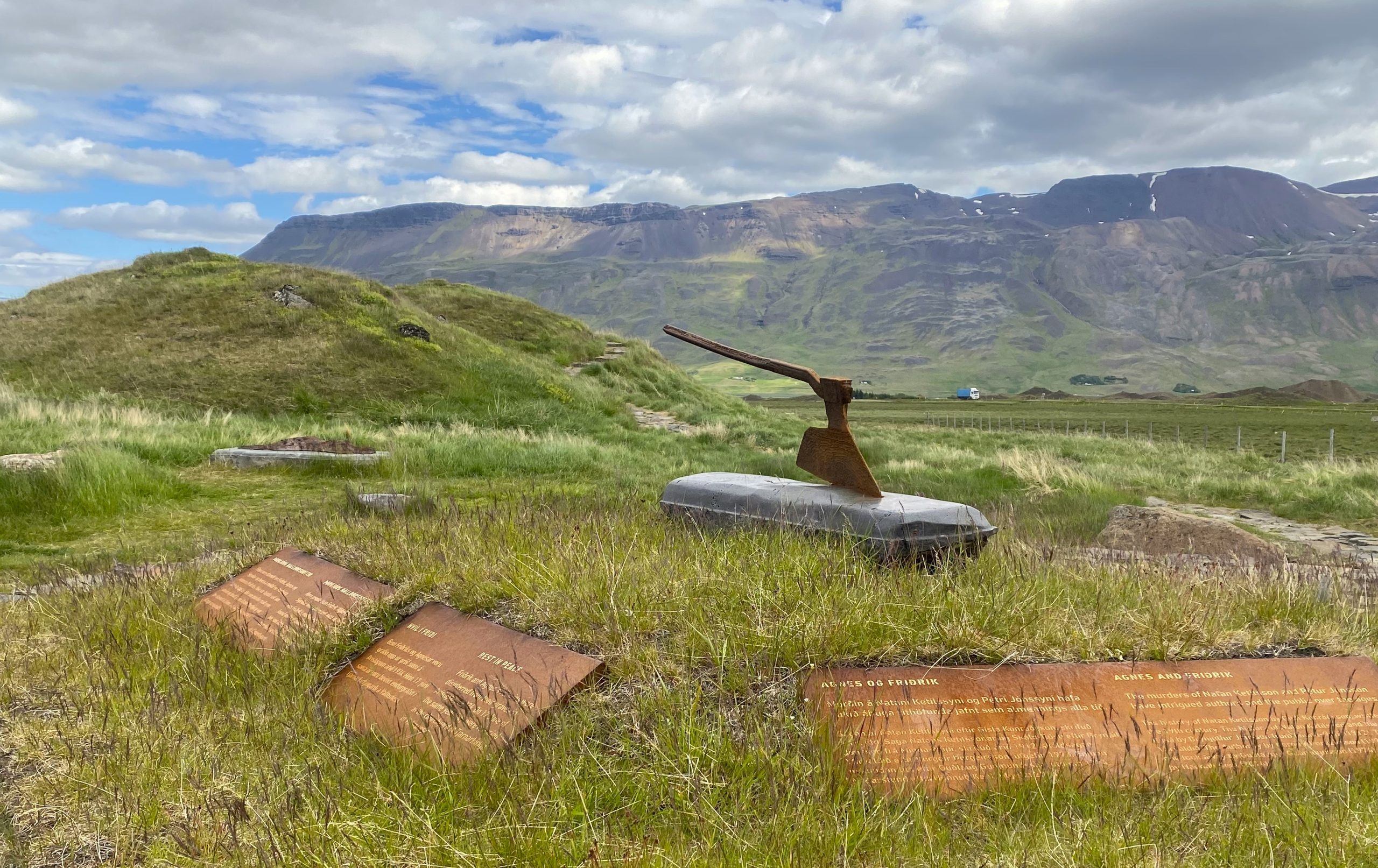
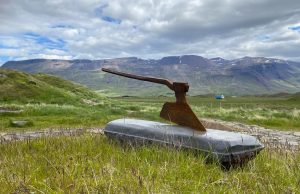
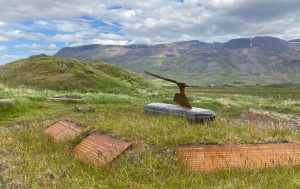
The axe and chopping block used in the execution of Agnes and Friðrik are preserved at the National Museum of Iceland. A replica of the axe is displayed at Þrístapar, giving visitors a tangible connection to the events.
Literature on Agnes Magnúsdóttir and the Illugastaðir murders
The story of Agnes has been explored in several books:
- Burial Rites by Hannah Kent, published in Icelandic in 2014
- The Authority by Þorgeir Þorgeirsson
- No One May Look Away by Guðlaugur Guðmundsson
- The Story of Natan Ketilsson and Rosa the Poet by Brynjúlfur Jónsson from Minna‑Núpur
Audio guide at Þrístapar
In summer 2024, an audio guide was installed at the site, leading visitors through the history, landscape and artefacts connected to the execution and the lives of those involved.
A visit to Þrístapar is well worth your time
At Þrístapar, the dramatic story of Agnes and Friðrik is presented with clarity and respect. Visitors learn about the last public execution in Iceland, see historical artefacts and gain deeper insight into 19th‑century society, legal history and culture.

 Hnjúkabyggð 33, 540 Blönduós
  hunabyggd@hunabyggd.is
 +354 455 4700
 Opening hours: