



The Agricultural Museum of Iceland
Living History of Icelandic Agriculture
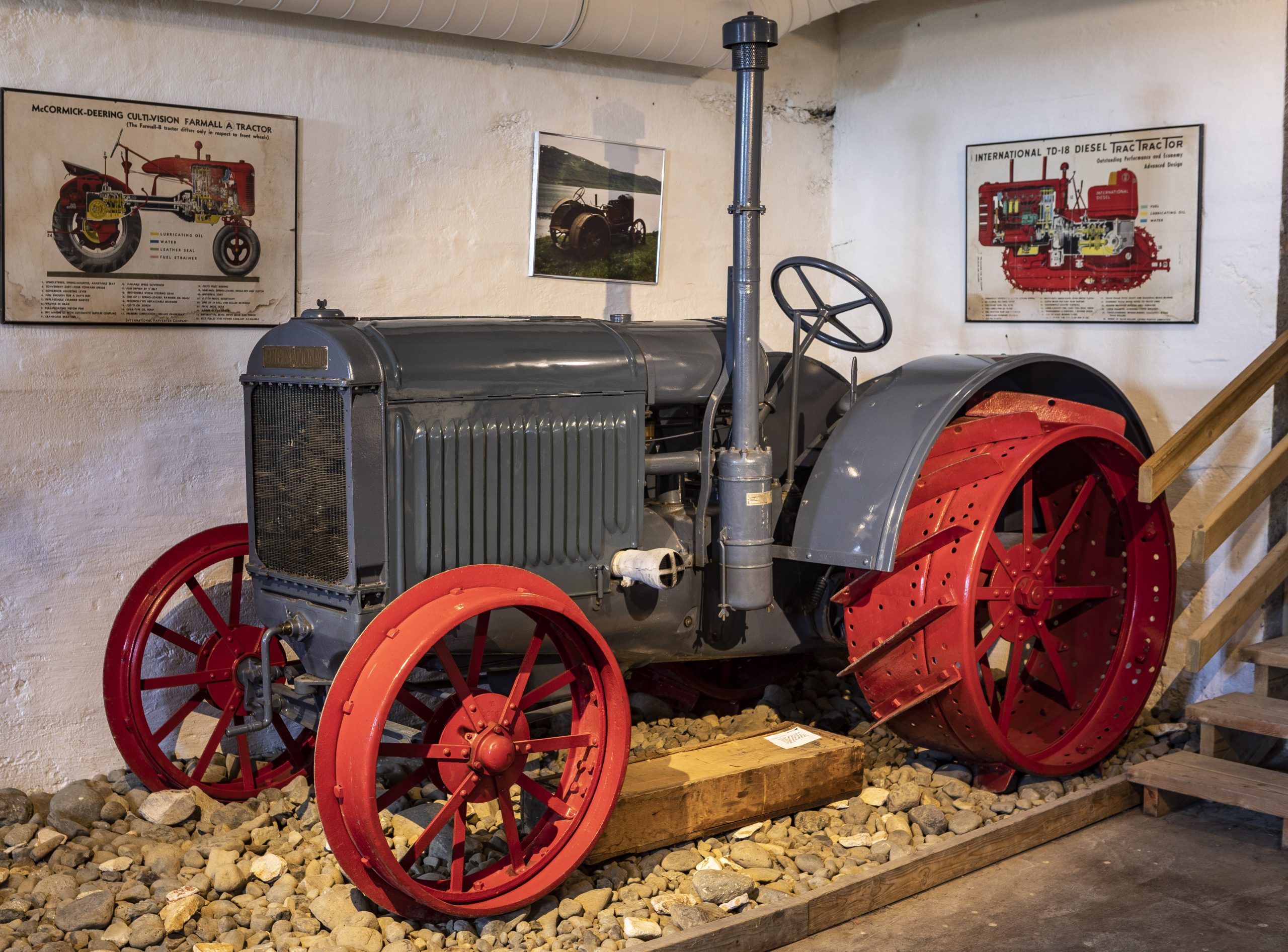
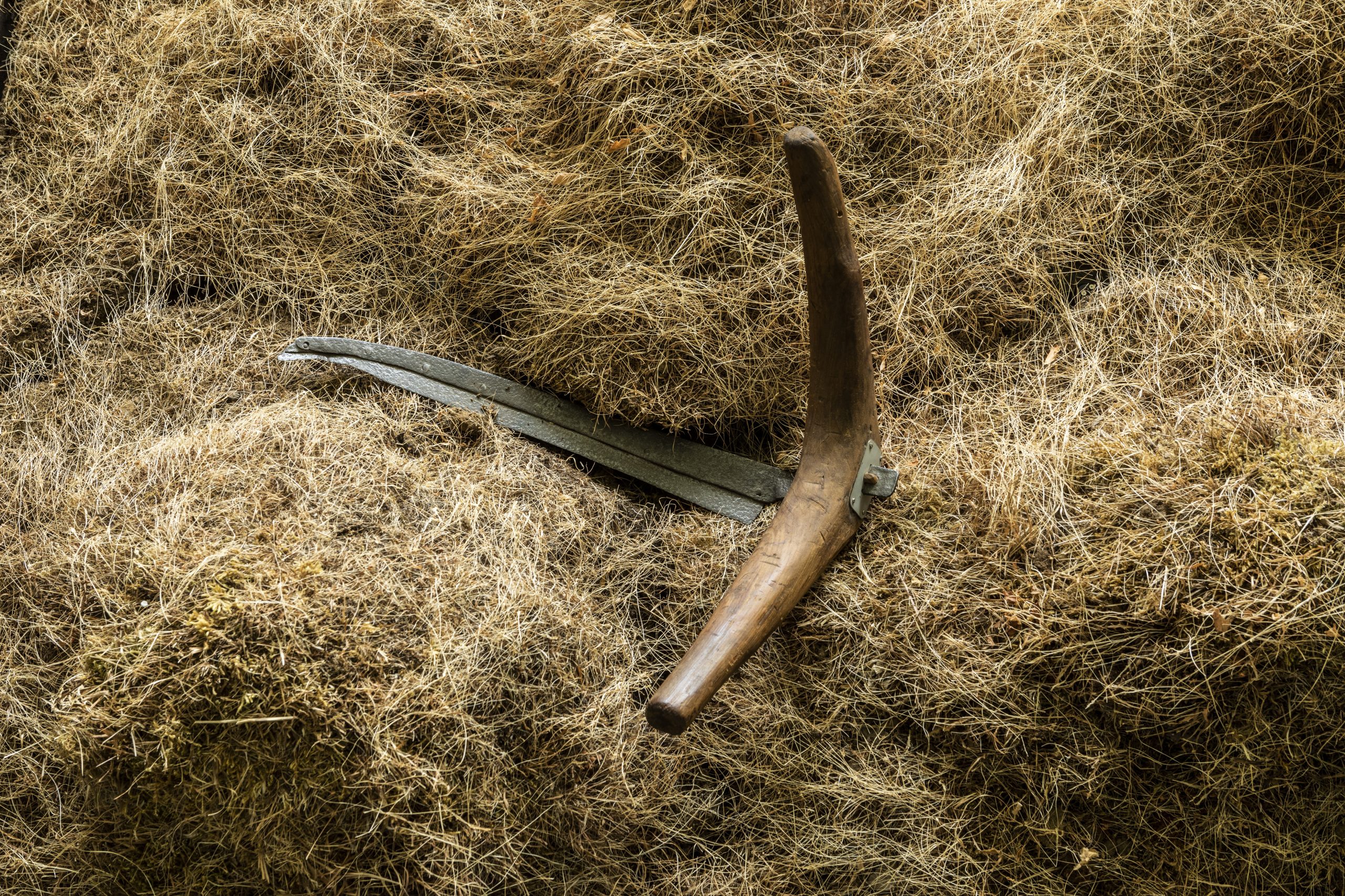
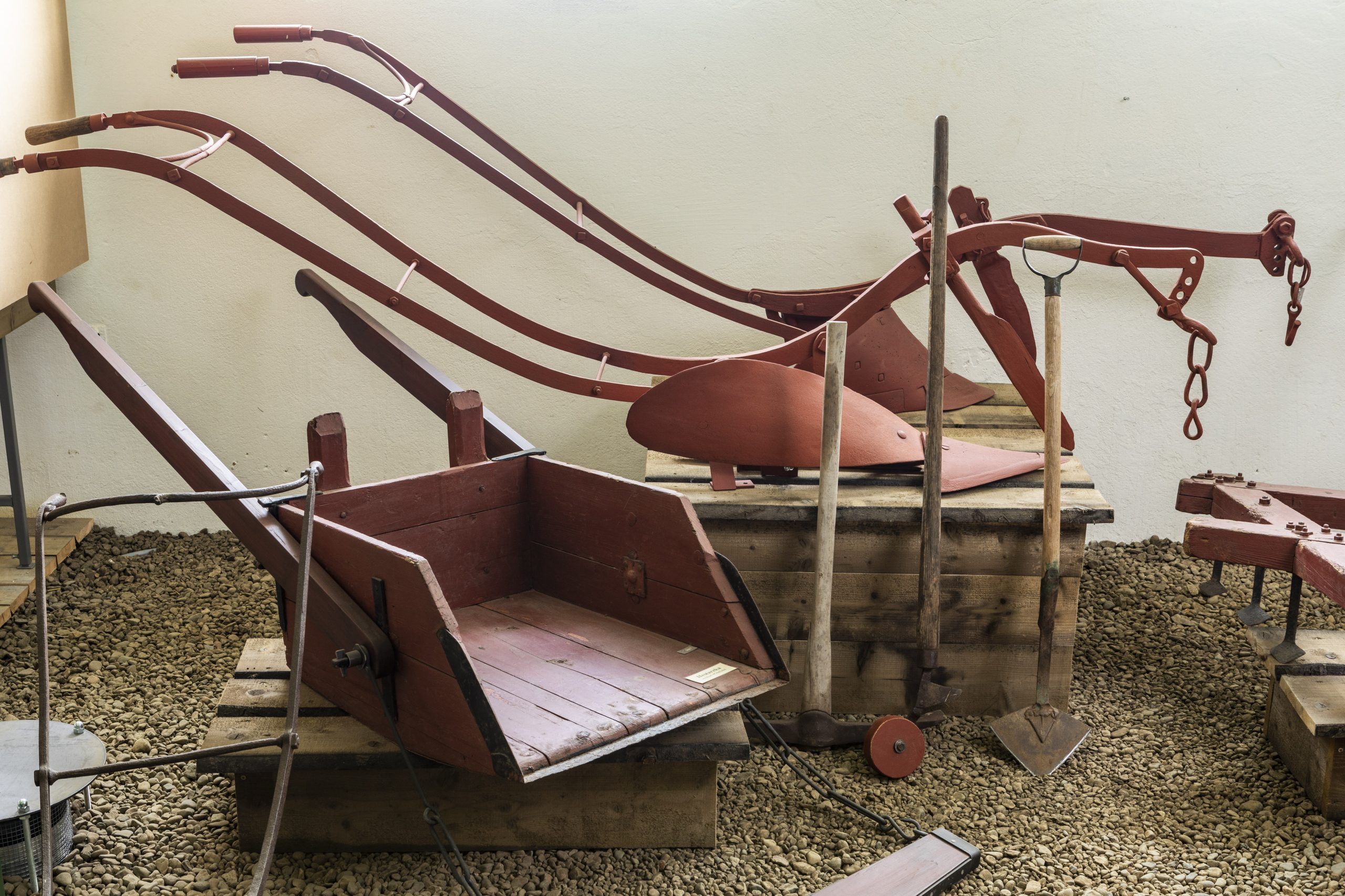
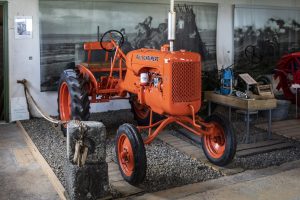
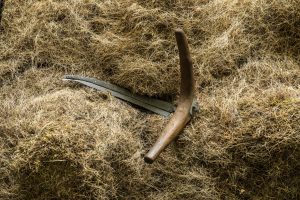
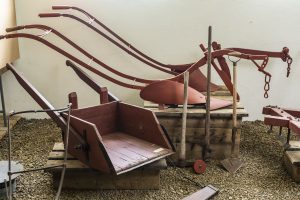
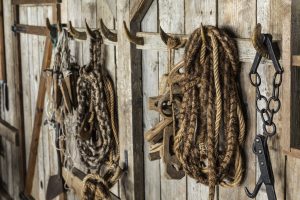
The Agricultural Museum of Iceland at Hvanneyri sheds light on the history of Icelandic agriculture and its development through the centuries. In the peaceful countryside of Borgarfjörður, visitors can explore the remarkable story of an industry that has shaped Icelandic society, view diverse agricultural tools and see how technological advances transformed farming in the 20th century.
The Age of Technology and Notable Artefacts
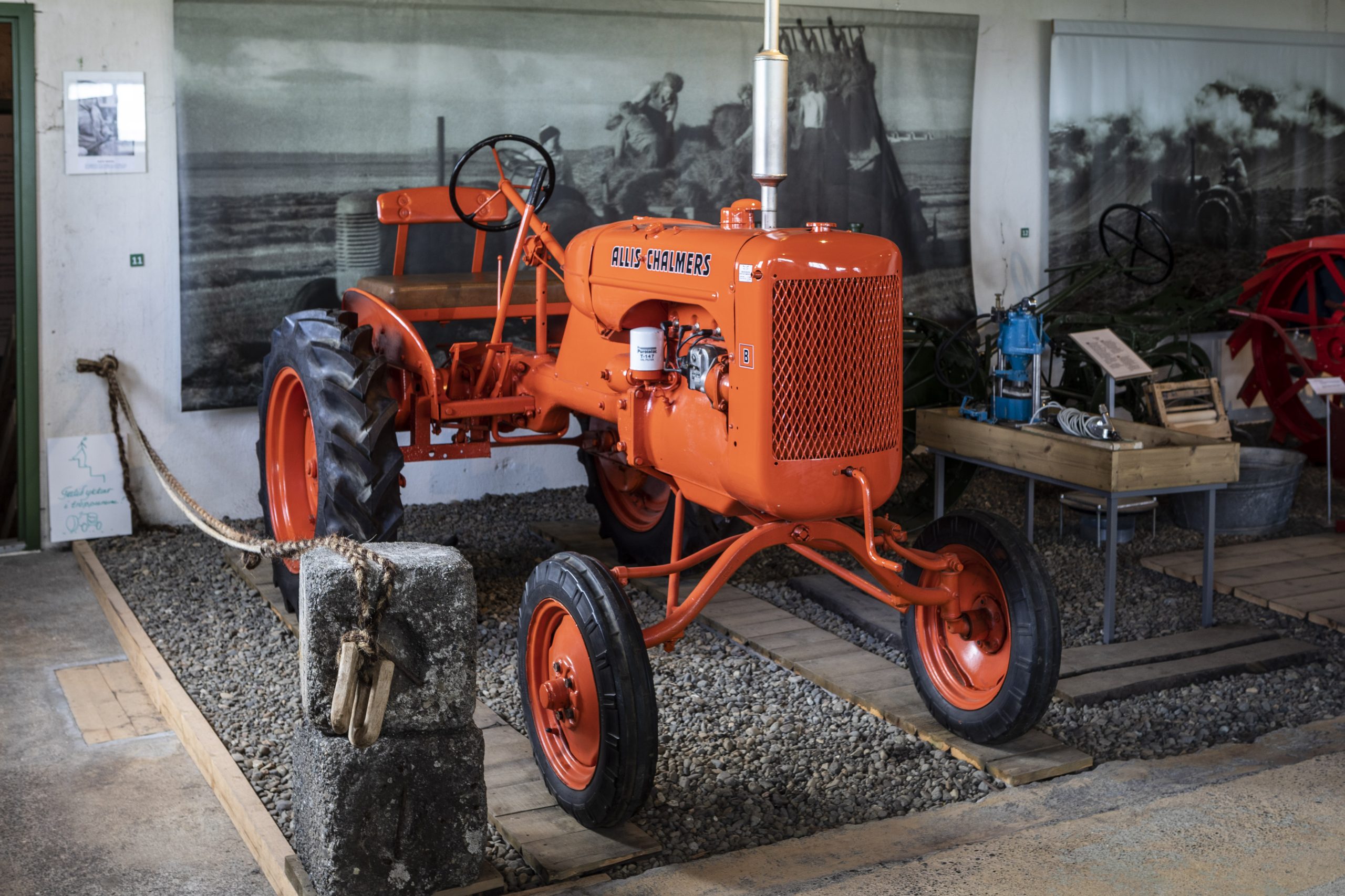
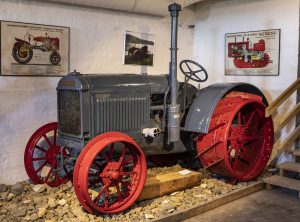
The museum places special emphasis on the beginning of the technological era in agriculture and shows how innovations changed the working methods and daily lives of farmers. Among the museum’s most notable items are valuable artefacts from Ólafsdalsskólinn and from the farm of Thors Jensen at Korpúlfsstaðir, reflecting influential developments in Icelandic agriculture.
Exhibitions and Education for All
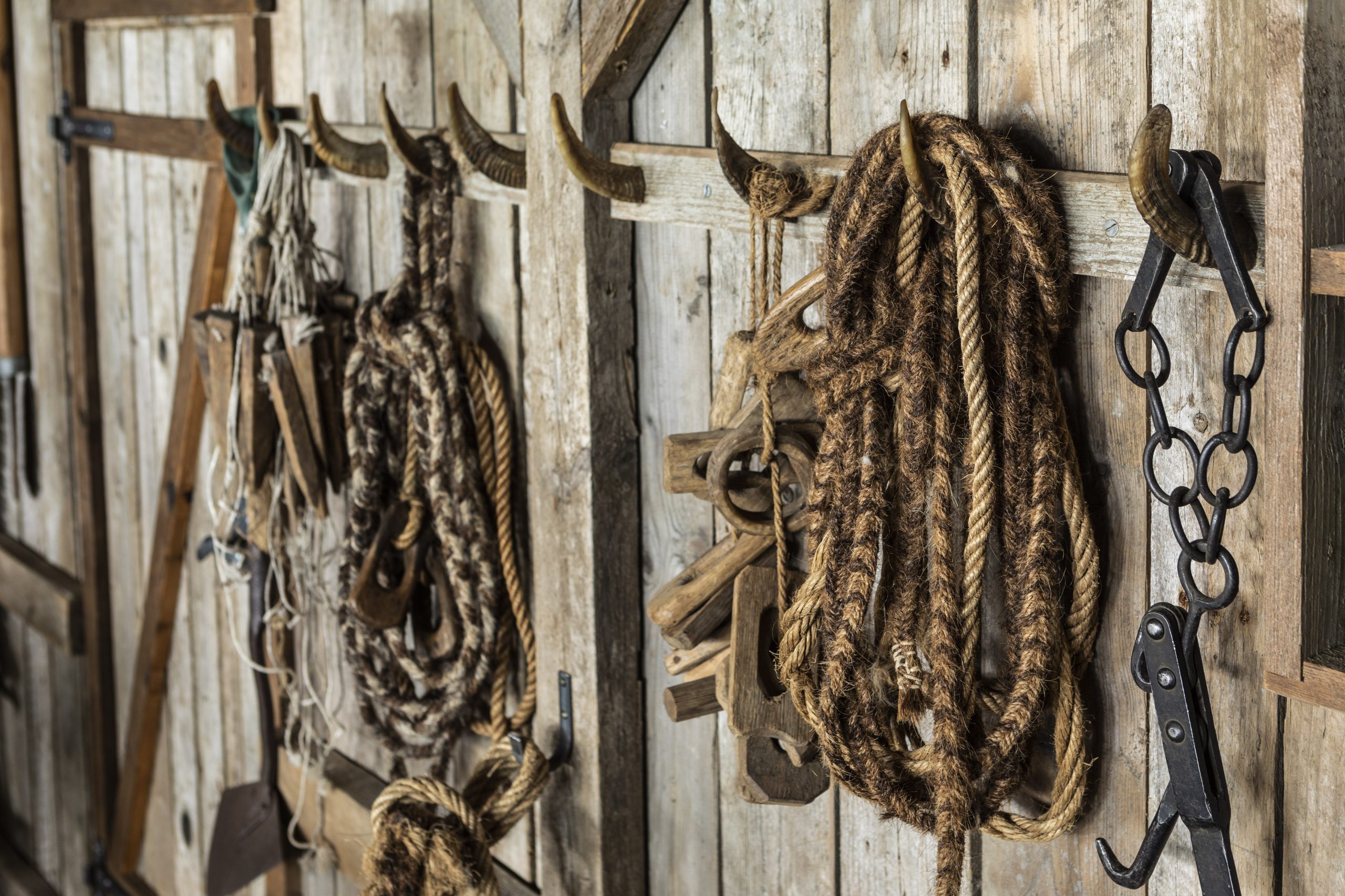
The museum features diverse exhibitions on farming practices, tools, machinery and daily life in Icelandic rural communities. Education and outreach are also key elements, aimed at both general visitors and groups who wish to delve deeper into the history and culture of Icelandic agriculture.
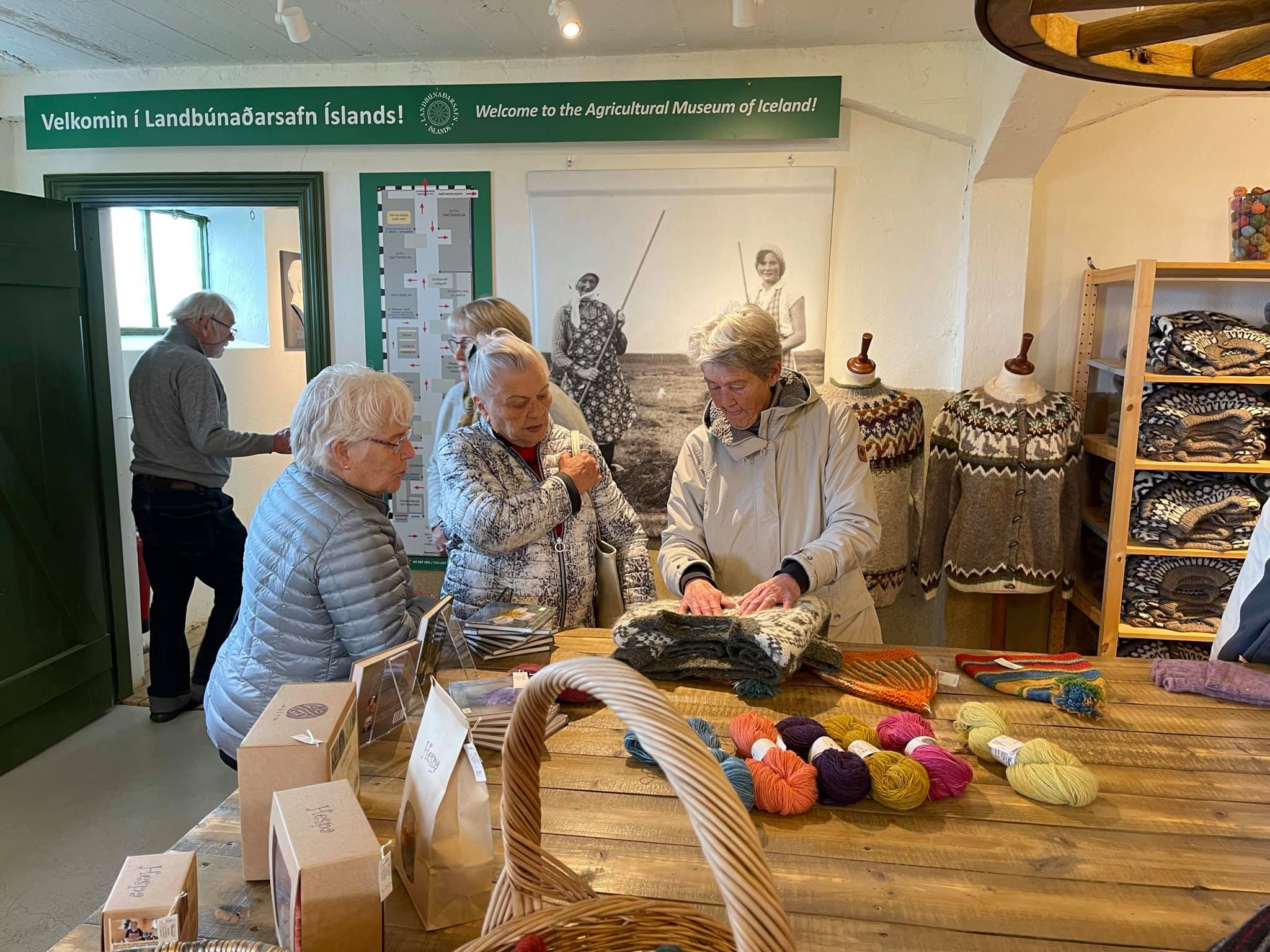
Ullarselið – Local Wool Handcraft
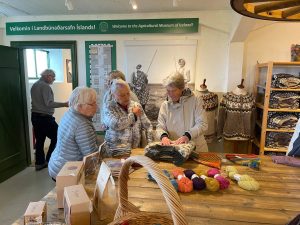
In the museum’s reception area is Ullarselið, offering high‑quality handcraft made from wool and other natural materials. Visitors can browse and purchase items that reflect local traditions and creative craftsmanship.
An Experience in the Heart of Hvanneyri
The Agricultural Museum of Iceland is a living venue for those who want to better understand the history of Icelandic agriculture and its importance in shaping the nation. The museum combines knowledge, culture and nature into a holistic experience suitable for families, researchers and anyone interested in Icelandic rural life and farming.
10 Activities in Borgarfjörður and Nearby Areas
- Explore natural and historical sites in Borgarfjörður such as Grábrók, Hraunfossar, Barnafoss and Reykholt of Snorri Sturluson.
- Join a guided tour up Langjökull and visit the man‑made ice tunnels: Into the Glacier.
- Take a tour of Víðgelmir, Iceland’s largest lava cave.
- Go on a short or long hike in the magical surroundings of Húsafell and try the new canyon baths.
- Relax at Krauma geothermal spa near Deildartunguhver.
- Go horse riding or visit a stable to learn about the Icelandic horse, for example at Sturlureykir.
- Meet the Icelandic goat and learn about its products at the goat farm Háafell.
- Relax in Guðlaug, the natural pool at Langisandur in Akranes.
- Visit the Steðji brewery and taste a selection of their beers.
- Learn about local history at museums in the region, such as The Settlement Centre in Borgarnes, The Akranes Folk Museum at Görðum and The War and Peace Museum in Hvalfjörður.
Further information: www.west.is
 Halldórsfjós, Hvanneyri, 311 Borgarnes
  ragnhildur@lbhi.is
 (+354) 844 7740
 Opening hours: